Upgrade to Pro

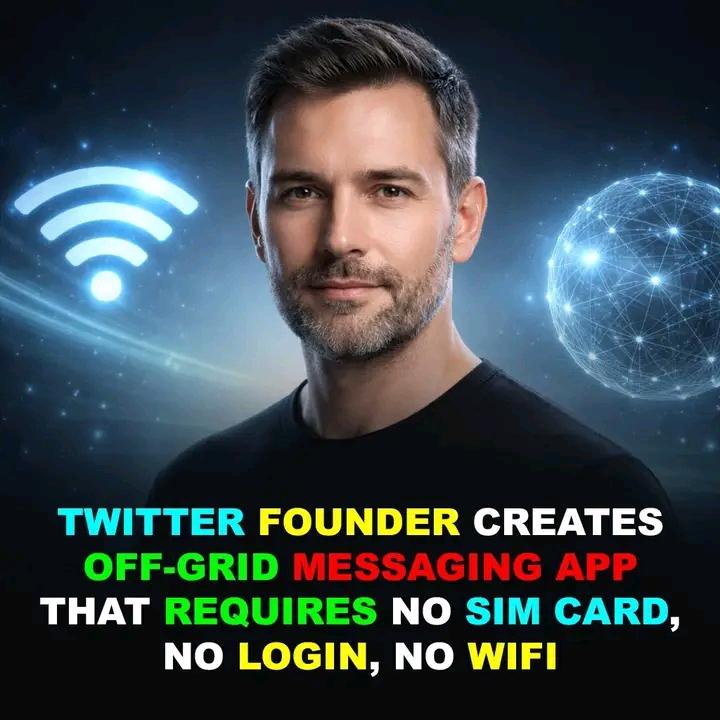
  • Jack Dorsey has introduced an experimental messaging application called Bitchat, built to function entirely off-grid without relying on internet connectivity or cellular infrastructure. Instead of traditional networks, the app operates through a Bluetooth-based mesh system, allowing messages to hop from one nearby device to another until they reach their destination. This design enables communication in remote locations, disaster zones, or areas experiencing network shutdowns.
    The platform emphasizes privacy and decentralization. Messages are end-to-end encrypted and stored solely on individual devices, eliminating centralized servers, user accounts, phone numbers, or personal data tracking. By removing reliance on telecom providers and large tech platforms, the system aims to provide resilient, peer-to-peer communication that cannot be easily disrupted or monitored through conventional network controls.
    Projects like this reflect a broader technological trend toward distributed communication infrastructure, where connectivity is maintained through device-to-device cooperation rather than centralized networks. While still experimental, such systems could become valuable tools for emergency response, censorship-resistant communication, and maintaining connectivity in infrastructure-limited environments.
    Jack Dorsey has introduced an experimental messaging application called Bitchat, built to function entirely off-grid without relying on internet connectivity or cellular infrastructure. Instead of traditional networks, the app operates through a Bluetooth-based mesh system, allowing messages to hop from one nearby device to another until they reach their destination. This design enables communication in remote locations, disaster zones, or areas experiencing network shutdowns. The platform emphasizes privacy and decentralization. Messages are end-to-end encrypted and stored solely on individual devices, eliminating centralized servers, user accounts, phone numbers, or personal data tracking. By removing reliance on telecom providers and large tech platforms, the system aims to provide resilient, peer-to-peer communication that cannot be easily disrupted or monitored through conventional network controls. Projects like this reflect a broader technological trend toward distributed communication infrastructure, where connectivity is maintained through device-to-device cooperation rather than centralized networks. While still experimental, such systems could become valuable tools for emergency response, censorship-resistant communication, and maintaining connectivity in infrastructure-limited environments.
    Like
    1
    ·188 Views ·0 Προεπισκόπηση
  • As of January 2026, Robert Sylvester Kelly, known professionally as R. Kelly, remains incarcerated at the Federal Correctional Institution (FCI) Butner Medium I in North Carolina. Serving a combined sentence of 31 years following convictions for racketeering, sex trafficking, and child pornography, Kelly's recent time in prison has been marked by significant legal battles regarding his physical safety and health.

    Allegations of a Murder Plot
    In mid-2025, Kelly’s legal team, led by attorney Beau Brindley, filed emergency motions claiming that the singer’s life was in "imminent danger." The filings alleged a "fanciful conspiracy" involving Bureau of Prisons (BOP) officials. According to Kelly’s lawyers, officials allegedly attempted to recruit other inmates—specifically members of the Aryan Brotherhood—to assassinate Kelly.

    The motion centered on a declaration from an inmate named Mikeal Glenn Stine, who claimed he was offered a chance to escape and live out his final days in freedom (due to a terminal cancer diagnosis) if he carried out the murder. Kelly’s team argued that this plot was an attempt by the government to suppress evidence of alleged misconduct during his trials. However, federal prosecutors dismissed these claims as "theatrical" and "repugnant," and a federal judge subsequently denied the request for release or home detention, citing a lack of jurisdiction and a lack of credible evidence.

    Medical Emergencies and Hospitalization
    Beyond the alleged threats from others, Kelly has faced severe health complications. In June 2025, he was rushed to Duke University Hospital after suffering what his attorneys described as a medical overdose.

    The Overdose Allegation: Kelly’s legal team claimed that prison staff administered an "overdose quantity" of his prescribed anxiety and sleep medication, causing him to collapse in his cell. They alleged he was found crawling toward his door after seeing "black spots" and losing consciousness.

    Blood Clots: During this hospitalization, scans reportedly revealed blood clots in both of his legs and his lungs. His lawyers claimed that prison officials had previously taken him off necessary blood thinners and were denying him a vital surgery to clear the clots.

    Forced Removal: A major point of contention arose when attorneys alleged that BOP officials removed Kelly from the hospital at gunpoint against medical advice, returning him to solitary confinement before the scheduled surgery could take place.

    Current Conditions of Confinement
    As of early 2026, Kelly’s environment remains highly restrictive. Following the 2025 incidents, he was reportedly placed in solitary confinement, where his lawyers claim he has had no access to the commissary or regular phone calls to his family. His legal team has described the conditions as "cruel and unusual," citing psychological distress and the constant fear for his life.

    The Bureau of Prisons has consistently declined to comment on the specifics of Kelly’s health or the allegations of a plot, citing privacy and security policies.

    Legal Status and Future
    Kelly’s legal options appear to be narrowing. In February 2025, a federal appeals court upheld his 30-year sentence, and the Supreme Court has previously declined to hear appeals regarding his child sex crime convictions. While his attorneys continue to pursue "all appellate remedies" to vacate his convictions based on alleged constitutional violations, he is currently expected to remain in federal custody until approximately December 2051, at which point he would be in his early 80s.
    As of January 2026, Robert Sylvester Kelly, known professionally as R. Kelly, remains incarcerated at the Federal Correctional Institution (FCI) Butner Medium I in North Carolina. Serving a combined sentence of 31 years following convictions for racketeering, sex trafficking, and child pornography, Kelly's recent time in prison has been marked by significant legal battles regarding his physical safety and health. Allegations of a Murder Plot In mid-2025, Kelly’s legal team, led by attorney Beau Brindley, filed emergency motions claiming that the singer’s life was in "imminent danger." The filings alleged a "fanciful conspiracy" involving Bureau of Prisons (BOP) officials. According to Kelly’s lawyers, officials allegedly attempted to recruit other inmates—specifically members of the Aryan Brotherhood—to assassinate Kelly. The motion centered on a declaration from an inmate named Mikeal Glenn Stine, who claimed he was offered a chance to escape and live out his final days in freedom (due to a terminal cancer diagnosis) if he carried out the murder. Kelly’s team argued that this plot was an attempt by the government to suppress evidence of alleged misconduct during his trials. However, federal prosecutors dismissed these claims as "theatrical" and "repugnant," and a federal judge subsequently denied the request for release or home detention, citing a lack of jurisdiction and a lack of credible evidence. Medical Emergencies and Hospitalization Beyond the alleged threats from others, Kelly has faced severe health complications. In June 2025, he was rushed to Duke University Hospital after suffering what his attorneys described as a medical overdose. The Overdose Allegation: Kelly’s legal team claimed that prison staff administered an "overdose quantity" of his prescribed anxiety and sleep medication, causing him to collapse in his cell. They alleged he was found crawling toward his door after seeing "black spots" and losing consciousness. Blood Clots: During this hospitalization, scans reportedly revealed blood clots in both of his legs and his lungs. His lawyers claimed that prison officials had previously taken him off necessary blood thinners and were denying him a vital surgery to clear the clots. Forced Removal: A major point of contention arose when attorneys alleged that BOP officials removed Kelly from the hospital at gunpoint against medical advice, returning him to solitary confinement before the scheduled surgery could take place. Current Conditions of Confinement As of early 2026, Kelly’s environment remains highly restrictive. Following the 2025 incidents, he was reportedly placed in solitary confinement, where his lawyers claim he has had no access to the commissary or regular phone calls to his family. His legal team has described the conditions as "cruel and unusual," citing psychological distress and the constant fear for his life. The Bureau of Prisons has consistently declined to comment on the specifics of Kelly’s health or the allegations of a plot, citing privacy and security policies. Legal Status and Future Kelly’s legal options appear to be narrowing. In February 2025, a federal appeals court upheld his 30-year sentence, and the Supreme Court has previously declined to hear appeals regarding his child sex crime convictions. While his attorneys continue to pursue "all appellate remedies" to vacate his convictions based on alleged constitutional violations, he is currently expected to remain in federal custody until approximately December 2051, at which point he would be in his early 80s.
    ·61 Views ·0 Προεπισκόπηση
  • *DID YOU KNOW?*

    • That, after Christopher Columbus Voyage of 1492, there was the "Columbian Exchange". This concept was popularised by the historian, Alfred W Crosby in his 1972 book, titled, "The Columbian Exchange: Biological and Cultural Consequences of 1492". In the book, he discussed the massive transfers that took place, of crops, animals, people, and diseases, between the Americas, Europe, Africa, and Asia, after Christopher's Columbus discovery of the Americas in 1492. This "Exchange", brought potatoes, maize, and tomatoes to Europe, wheat, rice, and horses to the Americas, and unfortunately also spread diseases, such as smallpox, which devastated Indigenous populations. It created profound global changes and devastated indigenous American populations due to doseases, forced the migration of millions of Africans, for slave labour. However, it also created some significant population booms in Europe, Asia and Africa, due to the introduction of new caloric crops, like potatoes and corns and reshaped landscapes worldwide.

    • That, in ancient Rome, public toilets were communal spaces with no privacy, where people sat side by side on stone benches and after cleaning themselves, they used shared sponges on sticks that were rinsed in saltwater or vinegar, instead of our modern toilet papers.


    *TODAY IN HISTORY.*

    • On this day in 1995, the "Bosnian War" officially ended, when leaders of Bosnia and Herzegovina, Serbia, and Croatia, of Southeastern Europe, signed the "Dayton Peace Agreement", in Paris. This brought to an end, their many years of devastating conflicts in the Balkans and helped to stabilize the region after long widespread violence and displacements.


    *THOUGHTS OF TODAY.*

    “It is rough roads that lead to heights of greatness.” —Lucius Annaeus Seneca.


    The phenomena of luck do not happen by chance, as it is often assumed, but of prior strategic positionings and foresight, utilised to take advantage of ever present, "low hanging" fruits of opportunities. - Omooba Yemisi Adedoyin Shyllon.
    *DID YOU KNOW?* • That, after Christopher Columbus Voyage of 1492, there was the "Columbian Exchange". This concept was popularised by the historian, Alfred W Crosby in his 1972 book, titled, "The Columbian Exchange: Biological and Cultural Consequences of 1492". In the book, he discussed the massive transfers that took place, of crops, animals, people, and diseases, between the Americas, Europe, Africa, and Asia, after Christopher's Columbus discovery of the Americas in 1492. This "Exchange", brought potatoes, maize, and tomatoes to Europe, wheat, rice, and horses to the Americas, and unfortunately also spread diseases, such as smallpox, which devastated Indigenous populations. It created profound global changes and devastated indigenous American populations due to doseases, forced the migration of millions of Africans, for slave labour. However, it also created some significant population booms in Europe, Asia and Africa, due to the introduction of new caloric crops, like potatoes and corns and reshaped landscapes worldwide. • That, in ancient Rome, public toilets were communal spaces with no privacy, where people sat side by side on stone benches and after cleaning themselves, they used shared sponges on sticks that were rinsed in saltwater or vinegar, instead of our modern toilet papers. *TODAY IN HISTORY.* • On this day in 1995, the "Bosnian War" officially ended, when leaders of Bosnia and Herzegovina, Serbia, and Croatia, of Southeastern Europe, signed the "Dayton Peace Agreement", in Paris. This brought to an end, their many years of devastating conflicts in the Balkans and helped to stabilize the region after long widespread violence and displacements. *THOUGHTS OF TODAY.* “It is rough roads that lead to heights of greatness.” —Lucius Annaeus Seneca. The phenomena of luck do not happen by chance, as it is often assumed, but of prior strategic positionings and foresight, utilised to take advantage of ever present, "low hanging" fruits of opportunities. - Omooba Yemisi Adedoyin Shyllon.
    ·61 Views ·0 Προεπισκόπηση
  • Please advise her responsibly

    am sorry for invading your privacy. Please I need u and other people in the group to advise me Am married with five kids and its hasn't been funny at all. My husband has refused to alloe me go for family planning since my husband family forbids family planning,am trying to use wisdom and aviod pregnancy but that man called my husband is not helping matter and its fru$trating. Am trying to control child birth whenever i am 0vulating i will beg him not to touch me but he will force himself on me. He doesn't want to use c0nd0ms, Ok withdraw no he won't. Mummy I have done countless @b0rt!0n and am pregnant again, I don't know what to do, sometimes i will have to beg people to feed my children for he doesnt care. Now that I am pregnant again he is saying I should go and take it out. What should I do now. I am crying.
    Please advise her responsibly am sorry for invading your privacy. Please I need u and other people in the group to advise me 😭Am married with five kids and its hasn't been funny at all. My husband has refused to alloe me go for family planning since my husband family forbids family planning,am trying to use wisdom and aviod pregnancy but that man called my husband is not helping matter and its fru$trating. Am trying to control child birth whenever i am 0vulating i will beg him not to touch me but he will force himself on me. He doesn't want to use c0nd0ms, Ok withdraw no he won't. Mummy I have done countless @b0rt!0n and am pregnant again, I don't know what to do, sometimes i will have to beg people to feed my children for he doesnt care. Now that I am pregnant again he is saying I should go and take it out. What should I do now. I am crying.
    Like
    1
    ·45 Views ·0 Προεπισκόπηση
  • Explore Different Linux Distributions!

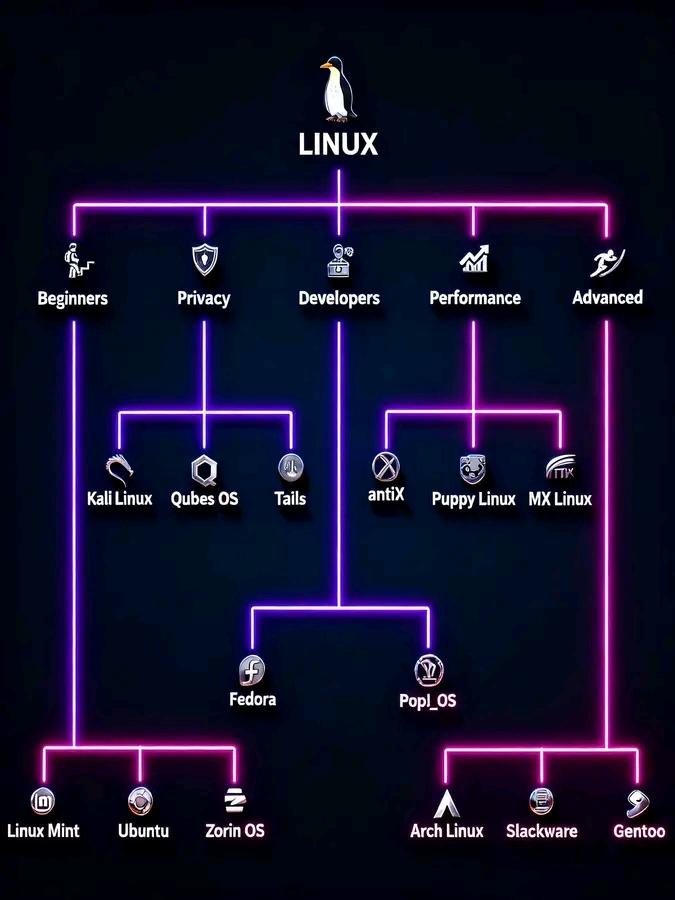
    Linux offers a wide variety of distributions tailored to specific needs! Here’s a quick guide to some of the best ones based on your goals:

    For Beginners:
    Linux Mint, Ubuntu, Zorin OS

    For Privacy:
    Kali Linux, Qubes OS, Tails

    For Developers:
    Fedora, Pop!_OS

    For Performance:
    antiX, Puppy Linux, MX Linux

    For Advanced Users:
    Arch Linux, Slackware, Gentoo

    Find the right Linux distro for your needs and level up your tech game!

    #Linux #OpenSource #LinuxDistro #TechTools #Privacy #Development #Performance
    Explore Different Linux Distributions! Linux offers a wide variety of distributions tailored to specific needs! Here’s a quick guide to some of the best ones based on your goals: 🔰 For Beginners: Linux Mint, Ubuntu, Zorin OS 🔐 For Privacy: Kali Linux, Qubes OS, Tails 👨‍💻 For Developers: Fedora, Pop!_OS ⚡ For Performance: antiX, Puppy Linux, MX Linux 🏃‍♂️ For Advanced Users: Arch Linux, Slackware, Gentoo Find the right Linux distro for your needs and level up your tech game! 🚀 #Linux #OpenSource #LinuxDistro #TechTools #Privacy #Development #Performance
    Like
    Love
    2
    ·337 Views ·0 Προεπισκόπηση
  • Types of VPN

    VPNs are essential for secure internet browsing and protecting sensitive data. Here's a breakdown of the most common types:

    1. IPSec VPN:
    User ➞ Router ➞ Firewall ➞ IPSec VPN Tunnel ➞ Firewall ➞ Router ➞ User
    Encrypts data to protect it while passing through routers and firewalls.

    2. L2TP VPN:
    User ➞ Internet ➞ L2TP Tunnel (over IPSec) ➞ Local Network
    Combines Layer 2 Tunneling Protocol with IPSec for extra security.

    3. PPTP VPN:
    User ➞ Internet ➞ PPTP Tunnel ➞ Local Network
    A quicker, but less secure option for connecting to local networks.

    4. SSL VPN:
    User ➞ Internet ➞ SSL VPN Tunnel ➞ SSL VPN Server ➞ Web Server/Mail Server
    Secure web-based access to internal networks or servers.

    Keep your data safe! Whether it’s for work or personal use, choosing the right VPN can make all the difference.

    #VPN #Security #Cybersecurity #TechTips #Privacy #earnnaijalearn
    🌐 Types of VPN VPNs are essential for secure internet browsing and protecting sensitive data. Here's a breakdown of the most common types: 1. IPSec VPN: 💻 User ➞ Router ➞ Firewall ➞ IPSec VPN Tunnel ➞ Firewall ➞ Router ➞ User Encrypts data to protect it while passing through routers and firewalls. 2. L2TP VPN: 💻 User ➞ Internet ➞ L2TP Tunnel (over IPSec) ➞ Local Network Combines Layer 2 Tunneling Protocol with IPSec for extra security. 3. PPTP VPN: 💻 User ➞ Internet ➞ PPTP Tunnel ➞ Local Network A quicker, but less secure option for connecting to local networks. 4. SSL VPN: 💻 User ➞ Internet ➞ SSL VPN Tunnel ➞ SSL VPN Server ➞ Web Server/Mail Server Secure web-based access to internal networks or servers. 🔒 Keep your data safe! Whether it’s for work or personal use, choosing the right VPN can make all the difference. #VPN #Security #Cybersecurity #TechTips #Privacy #earnnaijalearn
    Love
    1
    ·366 Views ·0 Προεπισκόπηση
  • Please advice her responsibly

    Mummy When my husband and I got married, we were in a poor financial state as we didn’t have a place to live. So, my husband’s friend offered to give up his place to us for a while, until we could gather ourselves.

    The initial plan was that he’ll leave his house for us for a couple of months, so that, we can have our privacy as we figure out how to get our own place. It was such a relief at that time.

    So, we moved into his home but unfortunately, the agreement did not go as planned as he didn’t leave as promised. His friends will troop in, in their numbers. It was uncomfortable but I was grateful I had where to lay my head.

    I would wake up early to do the dishes, clean up and cook. After about three months, my husband got a job,Thankfully, God blessed us financially, and we were able to get a tastefully furnished befitting home, where we can live a good life.

    This particular friend then calls and says that he now has accommodation issues and would love to stay with us for a while. I wasn’t really happy but hubby offered to help.

    Now, the problem is that this particular friend does and contributes nothing to the home. He wakes up late in the morning, will have breakfast, and then, zooms out. He'll return in the afternoon, eat, dump his plates, and lay down on the couch with his leg sometimes on the table.

    What bothers me the most is how I have to clean up his room, wash his toilet, and sometimes pick up his plates after he's done eating. I do not feel like he appreciates that he has a roof over his head, a roof he’s not paying for.

    I feel like he doesn’t appreciate what we’re doing. Will it be wrong if i tell my husband to tell him to go find his own accommodation? He has been staying with us for 2months now.
    Please advice her responsibly Mummy When my husband and I got married, we were in a poor financial state as we didn’t have a place to live. So, my husband’s friend offered to give up his place to us for a while, until we could gather ourselves. The initial plan was that he’ll leave his house for us for a couple of months, so that, we can have our privacy as we figure out how to get our own place. It was such a relief at that time. So, we moved into his home but unfortunately, the agreement did not go as planned as he didn’t leave as promised. His friends will troop in, in their numbers. It was uncomfortable but I was grateful I had where to lay my head. I would wake up early to do the dishes, clean up and cook. After about three months, my husband got a job,Thankfully, God blessed us financially, and we were able to get a tastefully furnished befitting home, where we can live a good life. This particular friend then calls and says that he now has accommodation issues and would love to stay with us for a while. I wasn’t really happy but hubby offered to help. Now, the problem is that this particular friend does and contributes nothing to the home. He wakes up late in the morning, will have breakfast, and then, zooms out. He'll return in the afternoon, eat, dump his plates, and lay down on the couch with his leg sometimes on the table. What bothers me the most is how I have to clean up his room, wash his toilet, and sometimes pick up his plates after he's done eating. I do not feel like he appreciates that he has a roof over his head, a roof he’s not paying for. I feel like he doesn’t appreciate what we’re doing. Will it be wrong if i tell my husband to tell him to go find his own accommodation? He has been staying with us for 2months now.
    Like
    Love
    2
    ·96 Views ·0 Προεπισκόπηση
  • Sure! Here’s an engaging, well-structured article on a universally interesting topic.
    If you want it on a different topic, just tell me!


    ---

    The Rise of Artificial Intelligence: How AI Is Transforming Everyday Life

    Artificial Intelligence (AI) has moved from the world of science fiction into our daily routines. Once limited to research labs and futuristic movies, AI now powers tools, services, and devices that millions depend on. From healthcare to agriculture, transportation to entertainment, AI is reshaping the way the world works.

    What Is Artificial Intelligence?

    Artificial Intelligence refers to computer systems designed to perform tasks that usually require human intelligence. These tasks include learning, reasoning, problem-solving, recognizing patterns, and making decisions. Modern AI systems learn from data, improving their performance over time—much like humans learning from experience.

    AI in Communication

    One of the most visible impacts of AI is in communication. Smartphones now come with intelligent assistants that can answer questions, translate languages, and even predict what you want to type next. Chatbots help businesses handle customer inquiries quickly, freeing human staff for more complex tasks.

    AI in Healthcare

    AI has become a powerful tool for doctors and researchers. It can analyze medical images, detect diseases earlier than humans, and predict patient risks. Hospitals use AI to monitor patients’ vitals and streamline administrative work, reducing errors and improving care quality.

    AI in Transportation

    Self-driving cars are no longer a distant dream. With AI, vehicles can detect obstacles, follow traffic rules, and navigate roads safely. Ride-sharing apps use AI to calculate optimal routes and reduce waiting times. In aviation, AI assists pilots with navigation and improves passenger safety.

    AI in Education

    Schools and universities are adopting AI to personalize learning. Students can use AI-powered apps to get instant feedback, practice subjects, and learn at their own pace. Teachers use AI tools to grade assignments faster and identify students who need extra support.

    AI in Agriculture

    Farmers use AI to analyze soil conditions, predict weather, and detect crop diseases. Smart machines can plant seeds, water fields, and apply fertilizers more accurately. This reduces waste and increases food production—important for feeding a growing world population.

    Benefits of AI

    Efficiency: Tasks are completed faster and with fewer mistakes.

    Accessibility: Services like language translation and medical diagnosis are more widely available.

    Productivity: Businesses can automate repetitive tasks and focus on innovation.

    Safety: AI can monitor dangerous environments and prevent accidents.


    Challenges of AI

    Despite its benefits, AI also brings challenges:

    Job displacement—some tasks may no longer require human workers.

    Privacy concerns—AI systems often rely on personal data.

    Bias—AI can inherit unfair patterns from the data it is trained on.

    Ethical issues—questions arise about how much control AI should have.


    The Future of AI

    AI will continue to advance, becoming smarter and more integrated into everyday life. The key is ensuring that it is developed responsibly—balancing innovation with ethics, transparency, and fairness.


    ---

    If you'd like, I can:
    write the article on another topic
    make it longer or shorter
    rewrite it in simpler English
    turn it into a speech, essay, or school assignment

    Sure! Here’s an engaging, well-structured article on a universally interesting topic. If you want it on a different topic, just tell me! --- The Rise of Artificial Intelligence: How AI Is Transforming Everyday Life Artificial Intelligence (AI) has moved from the world of science fiction into our daily routines. Once limited to research labs and futuristic movies, AI now powers tools, services, and devices that millions depend on. From healthcare to agriculture, transportation to entertainment, AI is reshaping the way the world works. What Is Artificial Intelligence? Artificial Intelligence refers to computer systems designed to perform tasks that usually require human intelligence. These tasks include learning, reasoning, problem-solving, recognizing patterns, and making decisions. Modern AI systems learn from data, improving their performance over time—much like humans learning from experience. AI in Communication One of the most visible impacts of AI is in communication. Smartphones now come with intelligent assistants that can answer questions, translate languages, and even predict what you want to type next. Chatbots help businesses handle customer inquiries quickly, freeing human staff for more complex tasks. AI in Healthcare AI has become a powerful tool for doctors and researchers. It can analyze medical images, detect diseases earlier than humans, and predict patient risks. Hospitals use AI to monitor patients’ vitals and streamline administrative work, reducing errors and improving care quality. AI in Transportation Self-driving cars are no longer a distant dream. With AI, vehicles can detect obstacles, follow traffic rules, and navigate roads safely. Ride-sharing apps use AI to calculate optimal routes and reduce waiting times. In aviation, AI assists pilots with navigation and improves passenger safety. AI in Education Schools and universities are adopting AI to personalize learning. Students can use AI-powered apps to get instant feedback, practice subjects, and learn at their own pace. Teachers use AI tools to grade assignments faster and identify students who need extra support. AI in Agriculture Farmers use AI to analyze soil conditions, predict weather, and detect crop diseases. Smart machines can plant seeds, water fields, and apply fertilizers more accurately. This reduces waste and increases food production—important for feeding a growing world population. Benefits of AI Efficiency: Tasks are completed faster and with fewer mistakes. Accessibility: Services like language translation and medical diagnosis are more widely available. Productivity: Businesses can automate repetitive tasks and focus on innovation. Safety: AI can monitor dangerous environments and prevent accidents. Challenges of AI Despite its benefits, AI also brings challenges: Job displacement—some tasks may no longer require human workers. Privacy concerns—AI systems often rely on personal data. Bias—AI can inherit unfair patterns from the data it is trained on. Ethical issues—questions arise about how much control AI should have. The Future of AI AI will continue to advance, becoming smarter and more integrated into everyday life. The key is ensuring that it is developed responsibly—balancing innovation with ethics, transparency, and fairness. --- If you'd like, I can: ✅ write the article on another topic ✅ make it longer or shorter ✅ rewrite it in simpler English ✅ turn it into a speech, essay, or school assignment
    Love
    1
    1 Σχόλια ·175 Views ·0 Προεπισκόπηση
  • Sure! Here’s an engaging, well-structured article on a universally interesting topic.
    If you want it on a different topic, just tell me!


    ---

    The Rise of Artificial Intelligence: How AI Is Transforming Everyday Life

    Artificial Intelligence (AI) has moved from the world of science fiction into our daily routines. Once limited to research labs and futuristic movies, AI now powers tools, services, and devices that millions depend on. From healthcare to agriculture, transportation to entertainment, AI is reshaping the way the world works.

    What Is Artificial Intelligence?

    Artificial Intelligence refers to computer systems designed to perform tasks that usually require human intelligence. These tasks include learning, reasoning, problem-solving, recognizing patterns, and making decisions. Modern AI systems learn from data, improving their performance over time—much like humans learning from experience.

    AI in Communication

    One of the most visible impacts of AI is in communication. Smartphones now come with intelligent assistants that can answer questions, translate languages, and even predict what you want to type next. Chatbots help businesses handle customer inquiries quickly, freeing human staff for more complex tasks.

    AI in Healthcare

    AI has become a powerful tool for doctors and researchers. It can analyze medical images, detect diseases earlier than humans, and predict patient risks. Hospitals use AI to monitor patients’ vitals and streamline administrative work, reducing errors and improving care quality.

    AI in Transportation

    Self-driving cars are no longer a distant dream. With AI, vehicles can detect obstacles, follow traffic rules, and navigate roads safely. Ride-sharing apps use AI to calculate optimal routes and reduce waiting times. In aviation, AI assists pilots with navigation and improves passenger safety.

    AI in Education

    Schools and universities are adopting AI to personalize learning. Students can use AI-powered apps to get instant feedback, practice subjects, and learn at their own pace. Teachers use AI tools to grade assignments faster and identify students who need extra support.

    AI in Agriculture

    Farmers use AI to analyze soil conditions, predict weather, and detect crop diseases. Smart machines can plant seeds, water fields, and apply fertilizers more accurately. This reduces waste and increases food production—important for feeding a growing world population.

    Benefits of AI

    Efficiency: Tasks are completed faster and with fewer mistakes.

    Accessibility: Services like language translation and medical diagnosis are more widely available.

    Productivity: Businesses can automate repetitive tasks and focus on innovation.

    Safety: AI can monitor dangerous environments and prevent accidents.


    Challenges of AI

    Despite its benefits, AI also brings challenges:

    Job displacement—some tasks may no longer require human workers.

    Privacy concerns—AI systems often rely on personal data.

    Bias—AI can inherit unfair patterns from the data it is trained on.

    Ethical issues—questions arise about how much control AI should have.


    The Future of AI

    AI will continue to advance, becoming smarter and more integrated into everyday life. The key is ensuring that it is developed responsibly—balancing innovation with ethics, transparency, and fairness.


    ---

    If you'd like, I can:
    write the article on another topic
    make it longer or shorter
    rewrite it in simpler English
    turn it into a speech, essay, or school assignment

    Sure! Here’s an engaging, well-structured article on a universally interesting topic. If you want it on a different topic, just tell me! --- The Rise of Artificial Intelligence: How AI Is Transforming Everyday Life Artificial Intelligence (AI) has moved from the world of science fiction into our daily routines. Once limited to research labs and futuristic movies, AI now powers tools, services, and devices that millions depend on. From healthcare to agriculture, transportation to entertainment, AI is reshaping the way the world works. What Is Artificial Intelligence? Artificial Intelligence refers to computer systems designed to perform tasks that usually require human intelligence. These tasks include learning, reasoning, problem-solving, recognizing patterns, and making decisions. Modern AI systems learn from data, improving their performance over time—much like humans learning from experience. AI in Communication One of the most visible impacts of AI is in communication. Smartphones now come with intelligent assistants that can answer questions, translate languages, and even predict what you want to type next. Chatbots help businesses handle customer inquiries quickly, freeing human staff for more complex tasks. AI in Healthcare AI has become a powerful tool for doctors and researchers. It can analyze medical images, detect diseases earlier than humans, and predict patient risks. Hospitals use AI to monitor patients’ vitals and streamline administrative work, reducing errors and improving care quality. AI in Transportation Self-driving cars are no longer a distant dream. With AI, vehicles can detect obstacles, follow traffic rules, and navigate roads safely. Ride-sharing apps use AI to calculate optimal routes and reduce waiting times. In aviation, AI assists pilots with navigation and improves passenger safety. AI in Education Schools and universities are adopting AI to personalize learning. Students can use AI-powered apps to get instant feedback, practice subjects, and learn at their own pace. Teachers use AI tools to grade assignments faster and identify students who need extra support. AI in Agriculture Farmers use AI to analyze soil conditions, predict weather, and detect crop diseases. Smart machines can plant seeds, water fields, and apply fertilizers more accurately. This reduces waste and increases food production—important for feeding a growing world population. Benefits of AI Efficiency: Tasks are completed faster and with fewer mistakes. Accessibility: Services like language translation and medical diagnosis are more widely available. Productivity: Businesses can automate repetitive tasks and focus on innovation. Safety: AI can monitor dangerous environments and prevent accidents. Challenges of AI Despite its benefits, AI also brings challenges: Job displacement—some tasks may no longer require human workers. Privacy concerns—AI systems often rely on personal data. Bias—AI can inherit unfair patterns from the data it is trained on. Ethical issues—questions arise about how much control AI should have. The Future of AI AI will continue to advance, becoming smarter and more integrated into everyday life. The key is ensuring that it is developed responsibly—balancing innovation with ethics, transparency, and fairness. --- If you'd like, I can: ✅ write the article on another topic ✅ make it longer or shorter ✅ rewrite it in simpler English ✅ turn it into a speech, essay, or school assignment
    Love
    1
    ·151 Views ·0 Προεπισκόπηση
  • 8 Things you should never post on Social network. Read toll the end and make adjustments where necessary.
    1. How much you make – Sharing your salary or income invites unnecessary envy, sc@ms, or even targeted fraůụ̀d. Keep your finances off the internet.

    2. Your actual source of income – Revealing too much detail about your money sources can make you a target for h@ckers, fraůűdsters, or even people close to you with wrong intentions.

    3. Your children – Protect their privacy and safety. Let them decide to share about themselves when they are old enough to make that choice.

    4. Your location in real time – Posting “I’m here right now” gives strangers information about your movements. It can expose you to theft or personal d@nger.

    5. Your house location – Don’t post your address or show detailed images of your home’s surroundings. Criimiinals can use this information easily.

    6. Travel plans – Announcing when you’re leaving home or going on a trip can alert burglars that your house will be empty. Share the photos after you return.

    7. Sensitive documents – IDs, bank cards, flight tickets, and contracts should never be shown online. Sc@mmers only need a glimpse to cause damage.

    8. Conflicts or private family matters – airing personal issues online may feel like relief in the moment, but it leaves a permanent trail that can affect your reputation later.

    Bottom line: Social media is not your diary. Share moments, not your private life. Protect yourself and your family by thinking twice before posting.
    8 Things you should never post on Social network. Read toll the end and make adjustments where necessary. 1. How much you make – Sharing your salary or income invites unnecessary envy, sc@ms, or even targeted fraůụ̀d. Keep your finances off the internet. 2. Your actual source of income – Revealing too much detail about your money sources can make you a target for h@ckers, fraůűdsters, or even people close to you with wrong intentions. 3. Your children – Protect their privacy and safety. Let them decide to share about themselves when they are old enough to make that choice. 4. Your location in real time – Posting “I’m here right now” gives strangers information about your movements. It can expose you to theft or personal d@nger. 5. Your house location – Don’t post your address or show detailed images of your home’s surroundings. Criimiinals can use this information easily. 6. Travel plans – Announcing when you’re leaving home or going on a trip can alert burglars that your house will be empty. Share the photos after you return. 7. Sensitive documents – IDs, bank cards, flight tickets, and contracts should never be shown online. Sc@mmers only need a glimpse to cause damage. 8. Conflicts or private family matters – airing personal issues online may feel like relief in the moment, but it leaves a permanent trail that can affect your reputation later. Bottom line: Social media is not your diary. Share moments, not your private life. Protect yourself and your family by thinking twice before posting.
    Love
    1
    ·135 Views ·0 Προεπισκόπηση
  • From TIN to Tax ID: What Nigeria’s 2026 Tax Reform Means for Individuals and Businesses

    Qudus Alalafia LLM, MCIArb (UK), ACTI.

    With the coming into force of the New Tax Act in Nigeria on 1st January 2026, one of the most significant innovations is the introduction of the Tax Identification Number (Tax ID) as a unified and compulsory requirement for all taxable persons and entities in the country. Unlike the fragmented system that previously existed, where taxpayers could have multiple identifiers depending on whether they were dealing with the Federal Inland Revenue Service (FIRS), State Boards of Internal Revenue, or other agencies, the new regime establishes one harmonised and authoritative identifier.

    The uniqueness of the Tax ID lies in its universal application and its integration with existing national identity systems. For individuals, the Tax ID is designed to be linked with the National Identity Number (NIN), while for corporate bodies, it is to be tied to their Corporate Affairs Commission registration details. In effect, this removes duplication, harmonises records, and ensures that every taxpayer has a single, verifiable identity across all levels of government taxation. The Act also mandates its use in financial and economic transactions, including opening and operating bank accounts, taking out insurance, and other regulated financial services.

    The importance of the Tax ID can not be overstated. First, it is a tool for widening Nigeria’s tax base by bringing more economic actors, including those in the informal sector, into the tax net. Similarly, it enhances data integrity and reduces instances where one taxpayer is assigned multiple numbers, leading to inconsistencies and revenue leakages. Moreso, by making the tax ID mandatory for transactions with financial institutions, it creates a strong enforcement mechanism against tax evasion and under-reporting of income.

    The advantages for taxpayers are equally clear. Compliance is simplified, as one identifier can be used for filing returns, making payments, or seeking refunds, thereby reducing paperwork and bureaucratic bottlenecks. It will also ease access to financial services since banks and other institutions can verify compliance at the point of account opening. Furthermore, it supports automation, allowing digital platforms for payroll, HR, and accounting systems to integrate seamlessly with tax records.

    However, the likely implications on the existing Tax Identification Numbers (TINs) require careful attention. Current TINs are not to be discarded outright; rather, they will be migrated or reconciled into the new framework. This means that taxpayers already registered with a TIN will not need to start afresh but should ensure that their records are up-to-date for smooth transition. This reconciliation process will involve mapping existing TINs, NINs, CAC registration numbers, and bank records. While this promises efficiency in the long run, it may initially generate frictions such as duplicate records, mismatches, or delays.

    There are sundry issues that can not be ignored. For one, there is the risk of financial exclusion for persons in remote or disadvantaged areas who may find it difficult to obtain the new tax ID unless the government implements accessible registration mechanisms. Another concern is data security, since consolidating tax and identity data raises the stakes for privacy and cybersecurity. There is also the problem of touts and fraudulent agents attempting to exploit taxpayers during the registration process, hence the need for public awareness that the registration is meant to be free and conducted through official channels. Finally, enforcement will be strict since possession of a Tax ID is tied to essential financial services, but the government must strike a balance to avoid undue hardship on citizens during the transition period.

    In essence, the tax ID is a bold step in Nigeria’s tax reform process. If properly implemented, it will simplify compliance, broaden the tax net, improve enforcement, and strengthen public confidence in the system. Yet, as with every reform, its success will depend largely on effective public sensitisation, robust IT infrastructure, secure data protection, and a smooth migration plan for existing taxpayers. With January 2026 fast approaching, taxpayers, financial institutions, and legal practitioners must begin preparations now to adapt to this new regime.
    From TIN to Tax ID: What Nigeria’s 2026 Tax Reform Means for Individuals and Businesses Qudus Alalafia LLM, MCIArb (UK), ACTI. With the coming into force of the New Tax Act in Nigeria on 1st January 2026, one of the most significant innovations is the introduction of the Tax Identification Number (Tax ID) as a unified and compulsory requirement for all taxable persons and entities in the country. Unlike the fragmented system that previously existed, where taxpayers could have multiple identifiers depending on whether they were dealing with the Federal Inland Revenue Service (FIRS), State Boards of Internal Revenue, or other agencies, the new regime establishes one harmonised and authoritative identifier. The uniqueness of the Tax ID lies in its universal application and its integration with existing national identity systems. For individuals, the Tax ID is designed to be linked with the National Identity Number (NIN), while for corporate bodies, it is to be tied to their Corporate Affairs Commission registration details. In effect, this removes duplication, harmonises records, and ensures that every taxpayer has a single, verifiable identity across all levels of government taxation. The Act also mandates its use in financial and economic transactions, including opening and operating bank accounts, taking out insurance, and other regulated financial services. The importance of the Tax ID can not be overstated. First, it is a tool for widening Nigeria’s tax base by bringing more economic actors, including those in the informal sector, into the tax net. Similarly, it enhances data integrity and reduces instances where one taxpayer is assigned multiple numbers, leading to inconsistencies and revenue leakages. Moreso, by making the tax ID mandatory for transactions with financial institutions, it creates a strong enforcement mechanism against tax evasion and under-reporting of income. The advantages for taxpayers are equally clear. Compliance is simplified, as one identifier can be used for filing returns, making payments, or seeking refunds, thereby reducing paperwork and bureaucratic bottlenecks. It will also ease access to financial services since banks and other institutions can verify compliance at the point of account opening. Furthermore, it supports automation, allowing digital platforms for payroll, HR, and accounting systems to integrate seamlessly with tax records. However, the likely implications on the existing Tax Identification Numbers (TINs) require careful attention. Current TINs are not to be discarded outright; rather, they will be migrated or reconciled into the new framework. This means that taxpayers already registered with a TIN will not need to start afresh but should ensure that their records are up-to-date for smooth transition. This reconciliation process will involve mapping existing TINs, NINs, CAC registration numbers, and bank records. While this promises efficiency in the long run, it may initially generate frictions such as duplicate records, mismatches, or delays. There are sundry issues that can not be ignored. For one, there is the risk of financial exclusion for persons in remote or disadvantaged areas who may find it difficult to obtain the new tax ID unless the government implements accessible registration mechanisms. Another concern is data security, since consolidating tax and identity data raises the stakes for privacy and cybersecurity. There is also the problem of touts and fraudulent agents attempting to exploit taxpayers during the registration process, hence the need for public awareness that the registration is meant to be free and conducted through official channels. Finally, enforcement will be strict since possession of a Tax ID is tied to essential financial services, but the government must strike a balance to avoid undue hardship on citizens during the transition period. In essence, the tax ID is a bold step in Nigeria’s tax reform process. If properly implemented, it will simplify compliance, broaden the tax net, improve enforcement, and strengthen public confidence in the system. Yet, as with every reform, its success will depend largely on effective public sensitisation, robust IT infrastructure, secure data protection, and a smooth migration plan for existing taxpayers. With January 2026 fast approaching, taxpayers, financial institutions, and legal practitioners must begin preparations now to adapt to this new regime.
    Love
    2
    ·200 Views ·0 Προεπισκόπηση
EarnNaija https://earnnaija.com