Upgrade to Pro

SimpleAccounting
SimpleAccounting
SimpleAccounting

SimpleAccounting

@simpleaccounting

  • ACCOUNTING VS AUDITING VS FINANCE

    ACCOUNTING:
    Accounting is the systematic recording and reporting of financial transactions. It ensures the business has accurate books and financial statements.

    Key activities:
    • Recording daily transactions
    • Preparing trial balance
    • Preparing financial statements
    • Managing payables/receivables
    • Costing, budgeting, payroll

    Source: Accounting involves recording and processing financial data systematically.

    AUDITING:
    Auditing is the independent examination of financial statements to ensure they are accurate and comply with standards.

    Key activities:
    • Checking internal controls
    • Verifying transactions and balances
    • Ensuring compliance with IFRS/ISA
    • Issuing an audit opinion
    Source: Auditing verifies that financial data is correct and compliant with standards.

    FINANCE:
    Finance deals with managing money, making investment decisions, and planning for the future.

    Key activities:
    • Capital budgeting
    • Investment analysis
    • Risk management
    • Funding decisions (debt vs equity)
    • Cash flow forecasting
    Source: Finance is not about recording or verifying — it is about using money to create value.

    Simple Way to Remember
    • Accounting = Record the numbers
    • Auditing = Check the numbers
    • Finance = Use the numbers to make decisions
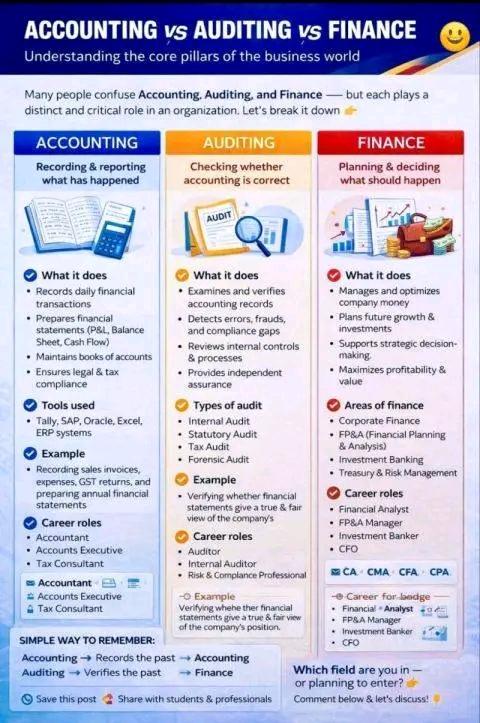
    🔶 ACCOUNTING VS AUDITING VS FINANCE 🔶 🔊 ACCOUNTING: ⬇️ 👉 Accounting is the systematic recording and reporting of financial transactions. It ensures the business has accurate books and financial statements. ➡️ Key activities: 👇 • Recording daily transactions • Preparing trial balance • Preparing financial statements • Managing payables/receivables • Costing, budgeting, payroll ▪️ Source: Accounting involves recording and processing financial data systematically. 🔊 AUDITING: ⬇️ 👉 Auditing is the independent examination of financial statements to ensure they are accurate and comply with standards. ➡️ Key activities: • Checking internal controls • Verifying transactions and balances • Ensuring compliance with IFRS/ISA • Issuing an audit opinion ▪️ Source: Auditing verifies that financial data is correct and compliant with standards. 🔊 FINANCE: ⬇️ 👉 Finance deals with managing money, making investment decisions, and planning for the future. ➡️ Key activities: • Capital budgeting • Investment analysis • Risk management • Funding decisions (debt vs equity) • Cash flow forecasting ▪️ Source: Finance is not about recording or verifying — it is about using money to create value. 🧠 Simple Way to Remember • Accounting = Record the numbers • Auditing = Check the numbers • Finance = Use the numbers to make decisions
    ·56 Views ·0 Reviews

  • The Story of Assets and Liabilities

    At 25, Daniel got his first good job.

    Every month, his salary came in on the 25th.
    By the 10th of the next month, it was gone.

    Daniel thought he was building wealth.

    He bought a new car on loan.
    A bigger apartment.
    Latest gadgets.

    On paper, his life looked successful.

    But every month, money left him faster than it arrived.

    Those things were not helping him earn more.
    They only demanded fuel, rent, repairs, and repayments.

    Daniel owned them.
    But they owned his cash flow.

    Those were liabilities.

    At 30, Daniel met a friend, Tunde.

    Tunde earned less than Daniel.
    But Tunde always had money.

    Tunde explained one idea.

    “An asset puts money in your pocket.
    A liability takes money out.”

    Tunde showed him his finances.

    A small rental apartment paying monthly rent.
    Shares paying dividends.
    A side business generating steady cash.

    Nothing flashy.
    But money flowed in consistently.

    Those were assets.

    Daniel changed strategy.

    He sold what drained him.
    He kept what paid him.

    Five years later, his income did not change much.
    But his stress disappeared.

    Because assets paid his bills.
    Liabilities demanded his salary.

    The Lesson

    Assets buy freedom.
    Liabilities buy appearance.

    If it does not put money in your pocket,
    it is costing you time.

    #Accounting Knowledge Concepts
    The Story of Assets and Liabilities At 25, Daniel got his first good job. Every month, his salary came in on the 25th. By the 10th of the next month, it was gone. Daniel thought he was building wealth. He bought a new car on loan. A bigger apartment. Latest gadgets. On paper, his life looked successful. But every month, money left him faster than it arrived. Those things were not helping him earn more. They only demanded fuel, rent, repairs, and repayments. Daniel owned them. But they owned his cash flow. Those were liabilities. At 30, Daniel met a friend, Tunde. Tunde earned less than Daniel. But Tunde always had money. Tunde explained one idea. “An asset puts money in your pocket. A liability takes money out.” Tunde showed him his finances. A small rental apartment paying monthly rent. Shares paying dividends. A side business generating steady cash. Nothing flashy. But money flowed in consistently. Those were assets. Daniel changed strategy. He sold what drained him. He kept what paid him. Five years later, his income did not change much. But his stress disappeared. Because assets paid his bills. Liabilities demanded his salary. The Lesson Assets buy freedom. Liabilities buy appearance. If it does not put money in your pocket, it is costing you time. #Accounting Knowledge Concepts
    Like
    Love
    2
    ·134 Views ·0 Reviews
  • Love
    1
    ·36 Views ·0 Reviews
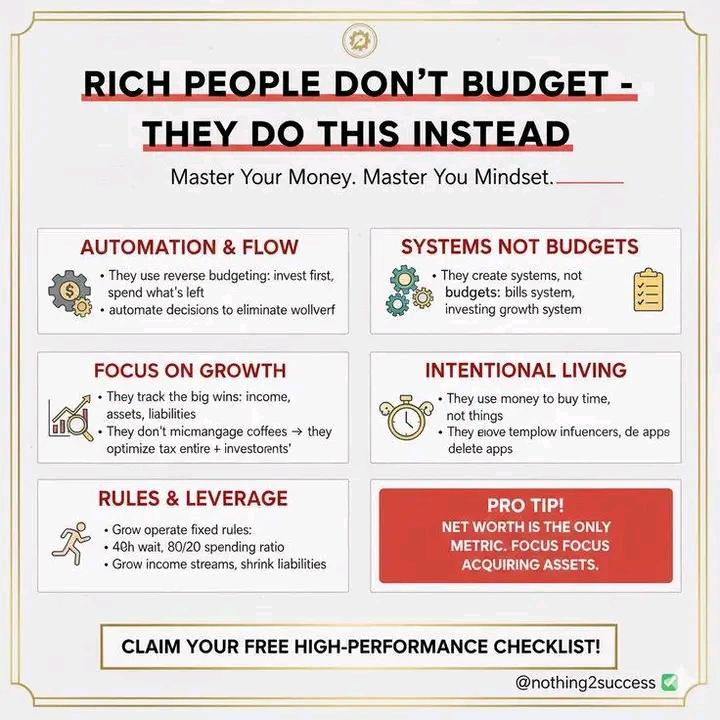
  • Rich People Don’t Budget: 5 Money Systems They Use Instead

    Want to know the real secret of the wealthy? It’s not budgeting, it’s creating systems. This guide reveals 5 elite money habits used by the rich: reverse budgeting (invest first), automating decisions, and optimizing big wins like tax/investments. Stop micromanaging small expenses and focus on the big levers of wealth!

    #finance
    Rich People Don’t Budget: 5 Money Systems They Use Instead Want to know the real secret of the wealthy? It’s not budgeting, it’s creating systems. This guide reveals 5 elite money habits used by the rich: reverse budgeting (invest first), automating decisions, and optimizing big wins like tax/investments. Stop micromanaging small expenses and focus on the big levers of wealth! #finance
    Like
    2
    ·160 Views ·0 Reviews
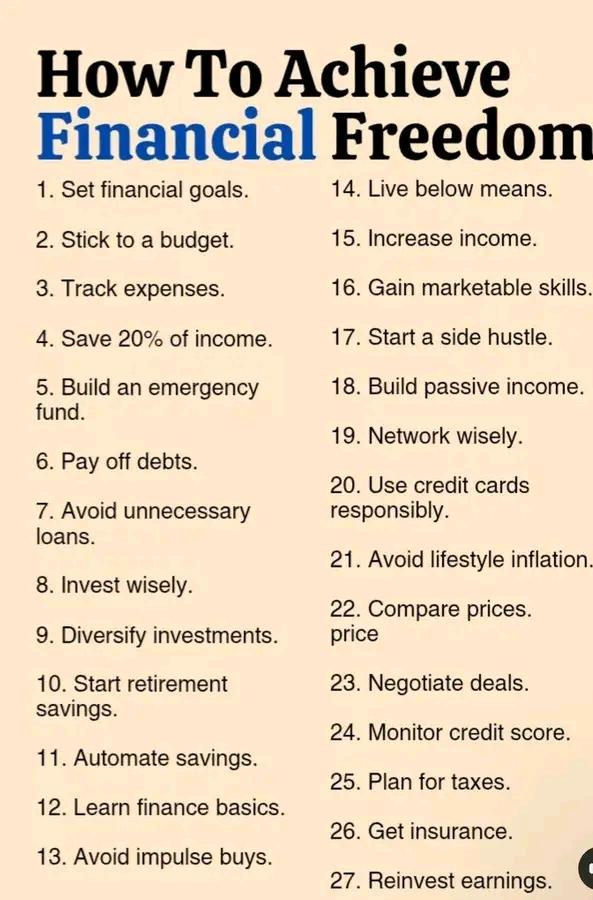
  • How to Achieve Financial Freedom

    #finance
    How to Achieve Financial Freedom #finance
    ·121 Views ·0 Reviews
  • ADVICE TO ALL EMPLOYEES :

    1. Build a home earlier. Be it a rural home or an urban home. Building a house at 50 is not an achievement. Don't get used to government houses. This comfort is so dangerous. Let all your family have a good time in your house.

    2. Go home. Don't stick at work all the year. You are not the pillar of your department. If you drop dead today, you will be replaced immediately and operations will continue. Make your family a priority.

    3. Don't chase promotions. Master your skills and be excellent at what you do. If they want to promote you, that's fine if they don't, stay positive to your personal.
    development.

    4. Avoid office or work gossip. Avoid things that tarnish your name or reputation. Don't join the bandwagon that backbites your bosses and colleagues. Stay away from negative gatherings that have only people as their agenda.

    5. Don't ever compete with your bosses. You will burn your fingers. Don't compete with your colleagues, you will fry your brain.

    6. Ensure you have a side business. Your salary will not sustain your needs in the long run.

    7. Save some money. Let it be deducted automatically from your payslip.

    8. Borrow a loan to invest in a business or to change a situation not to buy luxury. Buy luxury from your profit.

    9. Keep your life, marriage, and family private. Let them stay away from your work. This is very important.

    10. Be loyal to yourself and believe in your work. Hanging around your boss will alienate you from your colleagues and your boss may finally dump you when he leaves.

    11. Retire early. The best way to plan for your exit was when you received the employment letter. The other best time is today. By 40 to 50 be out.

    12. Join work welfare and be an active member always. It will help you a lot when any eventuality occurs.

    13. Take leave days and utilize them by developing your future home or projects..usually what you do during your leave days is a reflection of how you'll live after retirement. If it means you spend it all holding a remote control watching series on Zee World, expect nothing different after retirement.

    14. Start a project whilst still serving or working. Let your project run whilst at work and if it doesn't do well, start another one till it's running viably. When your project is viably running then retire to manage your business. Most people or pensioners fail in life because they retire to start a project instead of retiring to run a project.

    15. Pension money is not for starting a project buying a stand or building a house but it's money for your upkeep or to maintain yourself in good health. Pension money is not for paying school fees or marrying a young wife but for looking after yourself.

    16. Always remember, when you retire never be a case study for living a miserable life after retirement but be a role model for colleagues to think of retiring too.

    17. Don't retire just because you are finished or you are now a burden to the company and just wait for your day to die. Retire young or energetic to enjoy waking up for a cup of coffee, enjoying the sun, receiving money from your business, visiting nice places that you missed, and spending a good time with family. Those who retire late, spend about 95% of their time at work than with their family and that's why they see it difficult to spend time with their family when they retire but end up looking for another job till they die. If they don't get another job, they die early.

    18. Retire at your house than at government accommodation so that when you retire you can easily fit into the society that raised you. It's not easy to adjust to living in a location after spending more years at a company house or at a government house.

    19. Never let your employment benefits make you forget about your retirement. Employment benefits are just meant to make you relax, and get finished whilst time is moving. Remember when you retire no one will call you boss if you don't have a viable business.

    20. Don't hate to retire because one day you will retire either voluntarily or involuntarily.

    Hope this will help you look at life positively

    #copied #everyone #inspiration #highlights
    ADVICE TO ALL EMPLOYEES : 1. Build a home earlier. Be it a rural home or an urban home. Building a house at 50 is not an achievement. Don't get used to government houses. This comfort is so dangerous. Let all your family have a good time in your house. 2. Go home. Don't stick at work all the year. You are not the pillar of your department. If you drop dead today, you will be replaced immediately and operations will continue. Make your family a priority. 3. Don't chase promotions. Master your skills and be excellent at what you do. If they want to promote you, that's fine if they don't, stay positive to your personal. development. 4. Avoid office or work gossip. Avoid things that tarnish your name or reputation. Don't join the bandwagon that backbites your bosses and colleagues. Stay away from negative gatherings that have only people as their agenda. 5. Don't ever compete with your bosses. You will burn your fingers. Don't compete with your colleagues, you will fry your brain. 6. Ensure you have a side business. Your salary will not sustain your needs in the long run. 7. Save some money. Let it be deducted automatically from your payslip. 8. Borrow a loan to invest in a business or to change a situation not to buy luxury. Buy luxury from your profit. 9. Keep your life, marriage, and family private. Let them stay away from your work. This is very important. 10. Be loyal to yourself and believe in your work. Hanging around your boss will alienate you from your colleagues and your boss may finally dump you when he leaves. 11. Retire early. The best way to plan for your exit was when you received the employment letter. The other best time is today. By 40 to 50 be out. 12. Join work welfare and be an active member always. It will help you a lot when any eventuality occurs. 13. Take leave days and utilize them by developing your future home or projects..usually what you do during your leave days is a reflection of how you'll live after retirement. If it means you spend it all holding a remote control watching series on Zee World, expect nothing different after retirement. 14. Start a project whilst still serving or working. Let your project run whilst at work and if it doesn't do well, start another one till it's running viably. When your project is viably running then retire to manage your business. Most people or pensioners fail in life because they retire to start a project instead of retiring to run a project. 15. Pension money is not for starting a project buying a stand or building a house but it's money for your upkeep or to maintain yourself in good health. Pension money is not for paying school fees or marrying a young wife but for looking after yourself. 16. Always remember, when you retire never be a case study for living a miserable life after retirement but be a role model for colleagues to think of retiring too. 17. Don't retire just because you are finished or you are now a burden to the company and just wait for your day to die. Retire young or energetic to enjoy waking up for a cup of coffee, enjoying the sun, receiving money from your business, visiting nice places that you missed, and spending a good time with family. Those who retire late, spend about 95% of their time at work than with their family and that's why they see it difficult to spend time with their family when they retire but end up looking for another job till they die. If they don't get another job, they die early. 18. Retire at your house than at government accommodation so that when you retire you can easily fit into the society that raised you. It's not easy to adjust to living in a location after spending more years at a company house or at a government house. 19. Never let your employment benefits make you forget about your retirement. Employment benefits are just meant to make you relax, and get finished whilst time is moving. Remember when you retire no one will call you boss if you don't have a viable business. 20. Don't hate to retire because one day you will retire either voluntarily or involuntarily. Hope this will help you look at life positively #copied #everyone #inspiration #highlights
    Like
    Love
    2
    ·131 Views ·0 Reviews
  • A practical guide for beginners, business owners, and young accountants

    Many people read a profit and loss statement but ignore the cash flow statement. Yet this report reveals the real truth about a company’s health: is cash actually coming in, or is the business quietly dying?

    Here is exactly how to analyse it step by step:

    Start with Operating Activities
    This is the most important section. It shows whether the company’s core business generates cash or consumes it.

    What to check:
    • Is operating cash flow positive or negative?
    • Is it increasing or declining year after year?
    • Is it strong enough to cover daily expenses without borrowing?

    Red flag: A company with profit but negative operating cash flow is in danger.

    Compare Operating Cash Flow to Net Profit
    This helps you detect accounting tricks or unsustainable earnings.

    If operating cash flow is consistently lower than profit, the company’s reported profit may not be real.

    Green signal: Cash flow > Net profit
    Warning signal: Cash flow < Net profit over several periods

    Check Investing Activities
    This section shows how the company grows.

    Positive investing cash flow usually means the company is selling assets.
    Negative investing cash flow often means the company is buying new assets for expansion.

    What to check:
    • Is the company investing in productive assets or selling off assets to survive?
    • Is the investment consistent with long-term growth?

    Red flag: Continually selling assets to create cash.

    Review Financing Activities
    Here you see how the company is funded.

    Positive financing cash flow: raising money from loans or issuing shares.
    Negative financing cash flow: paying debts, paying interest, or paying dividends.

    What to check:
    • Is the company depending too much on loans to stay alive?
    • Is debt repayment affecting available cash?
    • Are dividends draining cash while operations are weak?

    Red flag: The company survives only through borrowing.

    Evaluate the Net Cash Movement
    This is the final summary of all the above.

    Ask:
    • Did total cash increase or decrease?
    • Is the cash balance enough for short-term obligations?
    • Is the trend stable over several years?

    Green signal: Strong, stable, increasing cash balance.
    Warning signal: Declining cash despite strong revenue.

    Check Cash Flow Ratios (Simple But Powerful)
    Operating Cash Flow Ratio:
    Operating Cash Flow / Current Liabilities
    This shows if cash coming in can pay short-term obligations.

    Cash Conversion Ratio:
    Operating Cash Flow / Net Income
    This shows how real the company’s profit is.

    Look for Patterns Over 3 to 5 Years
    Never judge with one period.
    Trends tell the real story.

    Questions to ask:
    • Is operating cash flow consistent?
    • Are investments strategic?
    • Is financing showing dependence or stability?

    Link Cash Flow to Business Reality
    Cash flow never works alone. Compare it with:
    • Revenue trends
    • Expenses
    • Profit margins
    • Debt levels
    • Asset growth

    This gives you the full picture of financial strength.

    Summary: What Good Cash Flow Looks Like
    • Positive operating cash flow
    • Reasonable, strategic investments
    • Controlled financing activities
    • Increasing cash balance year after year
    • Cash flow supporting profit, not contradicting it

    A practical guide for beginners, business owners, and young accountants Many people read a profit and loss statement but ignore the cash flow statement. Yet this report reveals the real truth about a company’s health: is cash actually coming in, or is the business quietly dying? Here is exactly how to analyse it step by step: Start with Operating Activities This is the most important section. It shows whether the company’s core business generates cash or consumes it. What to check: • Is operating cash flow positive or negative? • Is it increasing or declining year after year? • Is it strong enough to cover daily expenses without borrowing? Red flag: A company with profit but negative operating cash flow is in danger. Compare Operating Cash Flow to Net Profit This helps you detect accounting tricks or unsustainable earnings. If operating cash flow is consistently lower than profit, the company’s reported profit may not be real. Green signal: Cash flow > Net profit Warning signal: Cash flow < Net profit over several periods Check Investing Activities This section shows how the company grows. Positive investing cash flow usually means the company is selling assets. Negative investing cash flow often means the company is buying new assets for expansion. What to check: • Is the company investing in productive assets or selling off assets to survive? • Is the investment consistent with long-term growth? Red flag: Continually selling assets to create cash. Review Financing Activities Here you see how the company is funded. Positive financing cash flow: raising money from loans or issuing shares. Negative financing cash flow: paying debts, paying interest, or paying dividends. What to check: • Is the company depending too much on loans to stay alive? • Is debt repayment affecting available cash? • Are dividends draining cash while operations are weak? Red flag: The company survives only through borrowing. Evaluate the Net Cash Movement This is the final summary of all the above. Ask: • Did total cash increase or decrease? • Is the cash balance enough for short-term obligations? • Is the trend stable over several years? Green signal: Strong, stable, increasing cash balance. Warning signal: Declining cash despite strong revenue. Check Cash Flow Ratios (Simple But Powerful) Operating Cash Flow Ratio: Operating Cash Flow / Current Liabilities This shows if cash coming in can pay short-term obligations. Cash Conversion Ratio: Operating Cash Flow / Net Income This shows how real the company’s profit is. Look for Patterns Over 3 to 5 Years Never judge with one period. Trends tell the real story. Questions to ask: • Is operating cash flow consistent? • Are investments strategic? • Is financing showing dependence or stability? Link Cash Flow to Business Reality Cash flow never works alone. Compare it with: • Revenue trends • Expenses • Profit margins • Debt levels • Asset growth This gives you the full picture of financial strength. Summary: What Good Cash Flow Looks Like • Positive operating cash flow • Reasonable, strategic investments • Controlled financing activities • Increasing cash balance year after year • Cash flow supporting profit, not contradicting it
    ·151 Views ·0 Reviews
  • Understanding how money moves in and out of a business

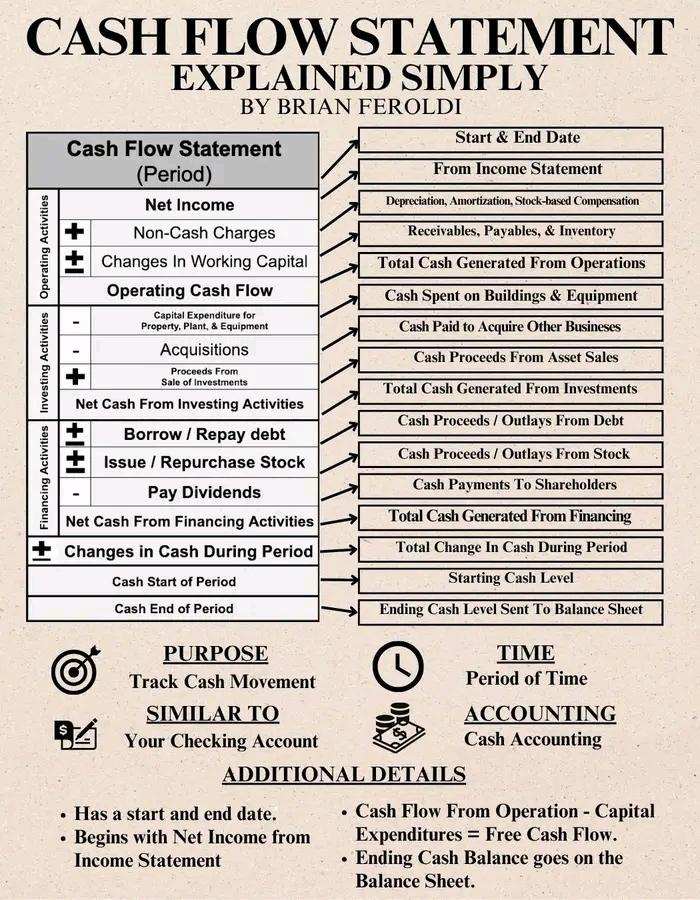
    The cash flow statement is one of the most important financial reports because it shows one thing every business lives or dies by: cash.
    While profit can be manipulated, cash never lies. It tells you whether the business can survive, pay bills, grow, and invest.

    The cash flow statement is divided into three major sections:

    Cash Flow from Operating Activities
    This section shows how much actual cash the business generates from its core operations.
    It answers: is the company’s main business bringing in money or burning money?

    Key items you will see:
    • Cash received from customers
    • Cash paid to suppliers
    • Cash paid to employees
    • Interest paid
    • Taxes paid

    A positive operating cash flow means the business can sustain itself.
    A negative one means the business is struggling operationally.

    Cash Flow from Investing Activities
    This shows where the business invests its money for future growth.
    It answers: is the company investing in assets that generate future returns?

    Key items:
    • Buying or selling equipment
    • Buying or selling properties
    • Investments in securities
    • Purchasing or selling subsidiaries

    Negative investing cash flow is not always bad; it often means the company is expanding.
    Positive investing cash flow might mean the company is selling assets.

    Cash Flow from Financing Activities
    This section shows how the business raises money or pays it back.
    It answers: who is funding the business and how are they being repaid?

    Key items:
    • Proceeds from loans
    • Loan repayments
    • Issuing shares
    • Paying dividends

    A positive financing cash flow could mean the company is borrowing or raising capital.
    A negative one often means the company is repaying debt or paying dividends.

    Net Increase or Decrease in Cash
    This is the final result of all three sections.
    It shows the actual movement of cash during the period.

    If total cash increased: the business is becoming more liquid.
    If total cash decreased: liquidity is tightening and the company must be careful.

    Why the Cash Flow Statement Matters
    • It shows true business health, beyond profit.
    • It reveals if growth is sustainable.
    • It helps investors and lenders judge risk.
    • It helps business owners plan for cash shortages.

    Quick Tips to Analyse a Cash Flow Statement
    • Always check if operating cash flow is consistently positive.
    • Compare operating cash flow to net profit: if profit is high but cash is low, there is a problem.
    • Watch out for companies surviving only through loans or new investors.
    • Check if investments match long-term strategy.
    • Monitor cash balance trends over several years.
    Understanding how money moves in and out of a business The cash flow statement is one of the most important financial reports because it shows one thing every business lives or dies by: cash. While profit can be manipulated, cash never lies. It tells you whether the business can survive, pay bills, grow, and invest. The cash flow statement is divided into three major sections: Cash Flow from Operating Activities This section shows how much actual cash the business generates from its core operations. It answers: is the company’s main business bringing in money or burning money? Key items you will see: • Cash received from customers • Cash paid to suppliers • Cash paid to employees • Interest paid • Taxes paid A positive operating cash flow means the business can sustain itself. A negative one means the business is struggling operationally. Cash Flow from Investing Activities This shows where the business invests its money for future growth. It answers: is the company investing in assets that generate future returns? Key items: • Buying or selling equipment • Buying or selling properties • Investments in securities • Purchasing or selling subsidiaries Negative investing cash flow is not always bad; it often means the company is expanding. Positive investing cash flow might mean the company is selling assets. Cash Flow from Financing Activities This section shows how the business raises money or pays it back. It answers: who is funding the business and how are they being repaid? Key items: • Proceeds from loans • Loan repayments • Issuing shares • Paying dividends A positive financing cash flow could mean the company is borrowing or raising capital. A negative one often means the company is repaying debt or paying dividends. Net Increase or Decrease in Cash This is the final result of all three sections. It shows the actual movement of cash during the period. If total cash increased: the business is becoming more liquid. If total cash decreased: liquidity is tightening and the company must be careful. Why the Cash Flow Statement Matters • It shows true business health, beyond profit. • It reveals if growth is sustainable. • It helps investors and lenders judge risk. • It helps business owners plan for cash shortages. Quick Tips to Analyse a Cash Flow Statement • Always check if operating cash flow is consistently positive. • Compare operating cash flow to net profit: if profit is high but cash is low, there is a problem. • Watch out for companies surviving only through loans or new investors. • Check if investments match long-term strategy. • Monitor cash balance trends over several years.
    Love
    1
    ·140 Views ·0 Reviews
  • Most people keep money in the bank without ever asking how banks actually earn profits.
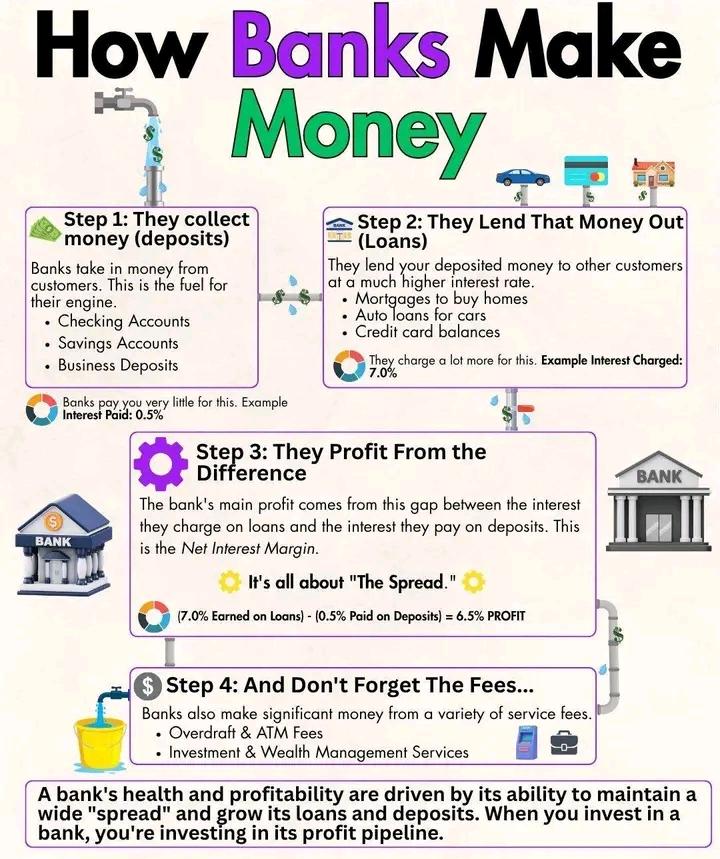
    Banks look simple on the outside but inside they operate one of the smartest business models in the world.

    Here is how they make money.

    1️⃣ They Lend Out Your Deposits at Higher Rates
    When you deposit money into your account the bank does not keep it locked away.
    They lend it to businesses individuals and government at higher interest rates.
    You may earn little interest but the bank earns more from loans.
    This is the biggest source of banking income.

    2️⃣ They Charge Fees on Almost Everything
    Banks generate billions from fees such as account maintenance ATM withdrawals transfers card replacements and excess withdrawal charges.
    Individually these fees look small but across millions of customers they form a huge revenue stream.

    3️⃣ They Earn from Investments
    Banks invest their excess funds into government securities treasury bills bonds and other safe assets.
    These investments generate stable returns which add to their profit.

    4️⃣ They Charge Interest on Overdrafts and Credit Facilities
    When customers use overdrafts credit cards or loans the bank earns interest.
    These charges are often higher than normal loan rates which makes them very profitable.

    5️⃣ They Offer Premium Services for Additional Charges
    Business advisory wealth management insurance brokerage foreign exchange and corporate banking all come with fees.
    High income clients and big companies pay more for personalized services.

    6️⃣ They Make Money from Foreign Exchange
    Banks earn from currency conversion rates and international transfers.
    The difference between buying and selling rates is called the exchange margin and it is another income source.

    7️⃣ They Use Technology to Reduce Costs and Increase Profit
    Online banking ATMs mobile apps and digital operations reduce physical branch costs.
    Lower cost plus high customer volume increases profitability.

    𝗞𝗲𝘆 𝗧𝗮𝗸𝗲𝗮𝘄𝗮𝘆
    Banks make money through a powerful combination of interest income fees investments and value added services.
    You deposit money for safety but the bank uses that same money to generate returns for itself.
    Understanding this helps you make smarter financial decisions and negotiate better banking services.
    Most people keep money in the bank without ever asking how banks actually earn profits. Banks look simple on the outside but inside they operate one of the smartest business models in the world. Here is how they make money. 1️⃣ They Lend Out Your Deposits at Higher Rates When you deposit money into your account the bank does not keep it locked away. They lend it to businesses individuals and government at higher interest rates. You may earn little interest but the bank earns more from loans. This is the biggest source of banking income. 2️⃣ They Charge Fees on Almost Everything Banks generate billions from fees such as account maintenance ATM withdrawals transfers card replacements and excess withdrawal charges. Individually these fees look small but across millions of customers they form a huge revenue stream. 3️⃣ They Earn from Investments Banks invest their excess funds into government securities treasury bills bonds and other safe assets. These investments generate stable returns which add to their profit. 4️⃣ They Charge Interest on Overdrafts and Credit Facilities When customers use overdrafts credit cards or loans the bank earns interest. These charges are often higher than normal loan rates which makes them very profitable. 5️⃣ They Offer Premium Services for Additional Charges Business advisory wealth management insurance brokerage foreign exchange and corporate banking all come with fees. High income clients and big companies pay more for personalized services. 6️⃣ They Make Money from Foreign Exchange Banks earn from currency conversion rates and international transfers. The difference between buying and selling rates is called the exchange margin and it is another income source. 7️⃣ They Use Technology to Reduce Costs and Increase Profit Online banking ATMs mobile apps and digital operations reduce physical branch costs. Lower cost plus high customer volume increases profitability. 𝗞𝗲𝘆 𝗧𝗮𝗸𝗲𝗮𝘄𝗮𝘆 Banks make money through a powerful combination of interest income fees investments and value added services. You deposit money for safety but the bank uses that same money to generate returns for itself. Understanding this helps you make smarter financial decisions and negotiate better banking services.
    Like
    Love
    2
    ·166 Views ·0 Reviews
  • 𝗜𝗡𝗧𝗥𝗢𝗗𝗨𝗖𝗧𝗜𝗢𝗡 𝗧𝗢 𝗔𝗖𝗖𝗢𝗨𝗡𝗧𝗜𝗡𝗚

    Accounting is the language of business. It helps you record, classify, and summarize financial transactions so you can understand the performance and financial health of any organization. Whether you are a student, entrepreneur, or professional, mastering accounting gives you control over money and better decision making.

    𝗪𝗵𝘆 𝗜𝘁 𝗠𝗮𝘁𝘁𝗲𝗿𝘀
    • It helps track income and expenses
    • It supports planning, budgeting, and forecasting
    • It ensures compliance with laws and standards
    • It reveals profit, cash flow, and financial strength
    • It allows owners and managers to make informed decisions

    𝗠𝗮𝗶𝗻 𝗔𝗿𝗲𝗮𝘀 𝗼𝗳 𝗔𝗰𝗰𝗼𝘂𝗻𝘁𝗶𝗻𝗴
    • Financial accounting
    • Management accounting
    • Cost accounting
    • Taxation
    • Auditing

    When you grasp the basics, the rest becomes easier. One of the fundamental building blocks of accounting is the concept of Debits and Credits.

    𝗨𝗡𝗗𝗘𝗥𝗦𝗧𝗔𝗡𝗗𝗜𝗡𝗚 𝗗𝗘𝗕𝗜𝗧𝗦 𝗔𝗡𝗗 𝗖𝗥𝗘𝗗𝗜𝗧𝗦

    Every transaction has two sides. One account is debited and another is credited. This is what keeps the accounting equation in balance:

    Assets = Liabilities + Equity

    𝗛𝗲𝗿𝗲 𝗶𝘀 𝗵𝗼𝘄 𝗗𝗲𝗯𝗶𝘁𝘀 𝗮𝗻𝗱 𝗖𝗿𝗲𝗱𝗶𝘁𝘀 𝗪𝗼𝗿𝗸

    1️⃣ Assets
    • Debit increases
    • Credit decreases
    Example buying equipment for cash increases Equipment (debit) and decreases Cash (credit)

    2️⃣ Liabilities
    • Debit decreases
    • Credit increases
    Example taking a loan increases Loan Payable (credit)

    3️⃣ Equity
    • Debit decreases
    • Credit increases
    Example owner investing capital increases Equity (credit)

    4️⃣ Revenue
    • Debit decreases
    • Credit increases
    Example making sales increases Revenue (credit)

    5️⃣ Expenses
    • Debit increases
    • Credit decreases
    Example paying rent increases Rent Expense (debit)

    𝗦𝗶𝗺𝗽𝗹𝗲 𝗪𝗮𝘆 𝗧𝗼 𝗥𝗲𝗺𝗲𝗺𝗯𝗲𝗿
    Assets and Expenses increase on the Debit side
    Liabilities Equity and Revenue increase on the Credit side

    𝗘𝘅𝗮𝗺𝗽𝗹𝗲 𝗧𝗿𝗮𝗻𝘀𝗮𝗰𝘁𝗶𝗼𝗻
    You receive cash for a sale
    Debit Cash
    Credit Sales Revenue

    𝗞𝗲𝘆 𝗧𝗮𝗸𝗲𝗮𝘄𝗮𝘆
    Debits and credits are not good or bad. They are simply tools to keep the books balanced and ensure that every transaction is recorded correctly. Master these and you can understand any accounting system with confidence.

    #everyone Accounting Knowledge Concepts
    𝗜𝗡𝗧𝗥𝗢𝗗𝗨𝗖𝗧𝗜𝗢𝗡 𝗧𝗢 𝗔𝗖𝗖𝗢𝗨𝗡𝗧𝗜𝗡𝗚 Accounting is the language of business. It helps you record, classify, and summarize financial transactions so you can understand the performance and financial health of any organization. Whether you are a student, entrepreneur, or professional, mastering accounting gives you control over money and better decision making. 𝗪𝗵𝘆 𝗜𝘁 𝗠𝗮𝘁𝘁𝗲𝗿𝘀 • It helps track income and expenses • It supports planning, budgeting, and forecasting • It ensures compliance with laws and standards • It reveals profit, cash flow, and financial strength • It allows owners and managers to make informed decisions 𝗠𝗮𝗶𝗻 𝗔𝗿𝗲𝗮𝘀 𝗼𝗳 𝗔𝗰𝗰𝗼𝘂𝗻𝘁𝗶𝗻𝗴 • Financial accounting • Management accounting • Cost accounting • Taxation • Auditing When you grasp the basics, the rest becomes easier. One of the fundamental building blocks of accounting is the concept of Debits and Credits. 𝗨𝗡𝗗𝗘𝗥𝗦𝗧𝗔𝗡𝗗𝗜𝗡𝗚 𝗗𝗘𝗕𝗜𝗧𝗦 𝗔𝗡𝗗 𝗖𝗥𝗘𝗗𝗜𝗧𝗦 Every transaction has two sides. One account is debited and another is credited. This is what keeps the accounting equation in balance: Assets = Liabilities + Equity 𝗛𝗲𝗿𝗲 𝗶𝘀 𝗵𝗼𝘄 𝗗𝗲𝗯𝗶𝘁𝘀 𝗮𝗻𝗱 𝗖𝗿𝗲𝗱𝗶𝘁𝘀 𝗪𝗼𝗿𝗸 1️⃣ Assets • Debit increases • Credit decreases Example buying equipment for cash increases Equipment (debit) and decreases Cash (credit) 2️⃣ Liabilities • Debit decreases • Credit increases Example taking a loan increases Loan Payable (credit) 3️⃣ Equity • Debit decreases • Credit increases Example owner investing capital increases Equity (credit) 4️⃣ Revenue • Debit decreases • Credit increases Example making sales increases Revenue (credit) 5️⃣ Expenses • Debit increases • Credit decreases Example paying rent increases Rent Expense (debit) 𝗦𝗶𝗺𝗽𝗹𝗲 𝗪𝗮𝘆 𝗧𝗼 𝗥𝗲𝗺𝗲𝗺𝗯𝗲𝗿 Assets and Expenses increase on the Debit side Liabilities Equity and Revenue increase on the Credit side 𝗘𝘅𝗮𝗺𝗽𝗹𝗲 𝗧𝗿𝗮𝗻𝘀𝗮𝗰𝘁𝗶𝗼𝗻 You receive cash for a sale Debit Cash Credit Sales Revenue 𝗞𝗲𝘆 𝗧𝗮𝗸𝗲𝗮𝘄𝗮𝘆 Debits and credits are not good or bad. They are simply tools to keep the books balanced and ensure that every transaction is recorded correctly. Master these and you can understand any accounting system with confidence. #everyone Accounting Knowledge Concepts
    Like
    1
    ·256 Views ·0 Reviews
  • ACCOUNTING vs AUDIT — The Perfect Balance for Every Business
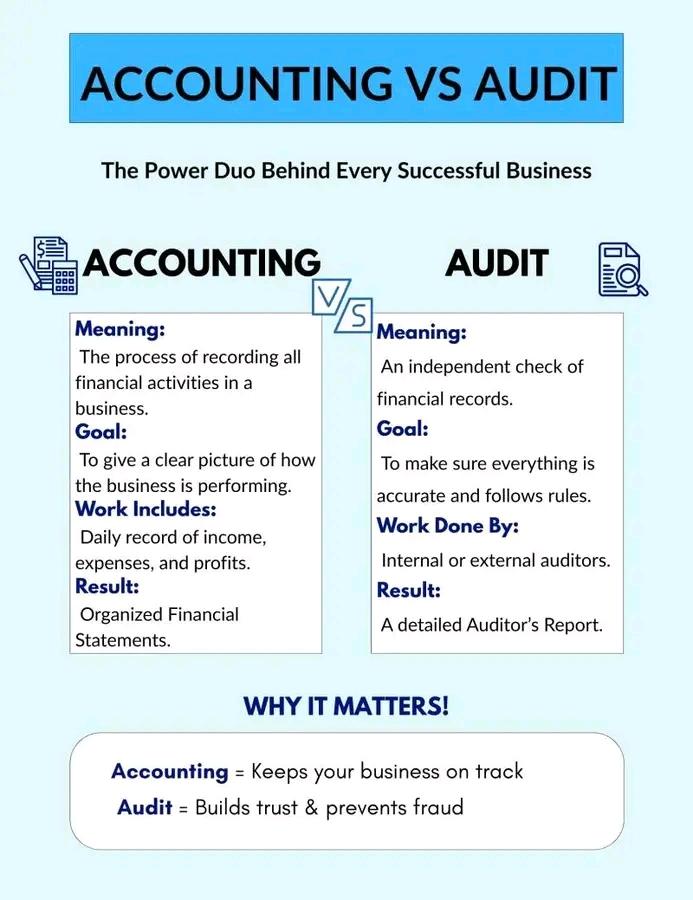
    Accounting keeps your business on track by recording every financial activity — giving you a clear picture of performance and growth.
    Audit ensures those records are accurate, compliant, and trustworthy — protecting your business from errors and fraud.
    Together, they form the backbone of financial transparency and success!

    #accounting
    ACCOUNTING vs AUDIT — The Perfect Balance for Every Business ⚖️ 🔹 Accounting keeps your business on track by recording every financial activity — giving you a clear picture of performance and growth. 🔹 Audit ensures those records are accurate, compliant, and trustworthy — protecting your business from errors and fraud. 💼 Together, they form the backbone of financial transparency and success! #accounting
    Love
    1
    ·217 Views ·0 Reviews
  • Basic Accounting Terms – A Quick Guide for Beginners!

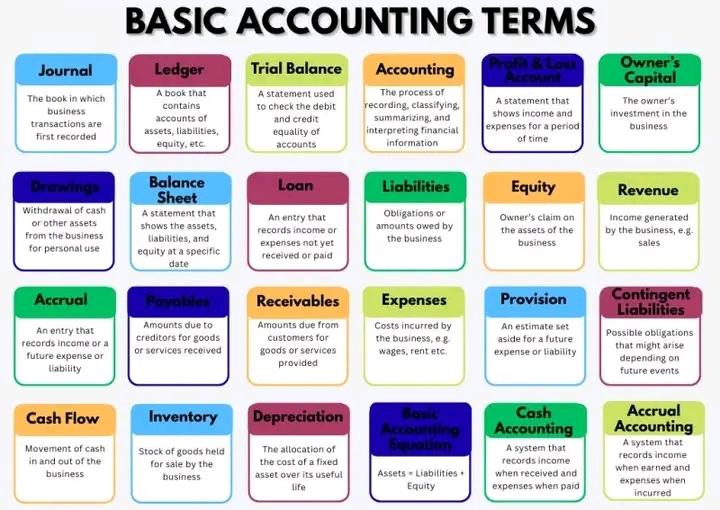
    Understanding accounting starts with knowing the key terms. Here are the most important concepts every student, entrepreneur, and professional should know — from Journal and Ledger to Cash Flow and Depreciation.
    These fundamentals help you record, track, and understand the financial health of any business.

    Perfect for beginners, accounting students, and anyone looking to build a strong foundation!

    #accounting
    📘 Basic Accounting Terms – A Quick Guide for Beginners! Understanding accounting starts with knowing the key terms. Here are the most important concepts every student, entrepreneur, and professional should know — from Journal and Ledger to Cash Flow and Depreciation. These fundamentals help you record, track, and understand the financial health of any business. Perfect for beginners, accounting students, and anyone looking to build a strong foundation! #accounting
    ·171 Views ·0 Reviews
More Stories
EarnNaija https://earnnaija.com