Mise à niveau vers Pro

  • Scientists have confirmed the discovery of a newly recognized mammal, Crocidura stanleyi, a miniature dwarf shrew found in Ethiopia’s highland ecosystems. The species was formally identified through combined genetic sequencing and morphological examination conducted by researcher Evan W. Craig from the University of Massachusetts Boston. Initial field discovery occurred when Yonas Meheretu of the Swedish University of Agricultural Sciences encountered the animal during ecological surveys in southern Ethiopia.
    The shrew’s scientific name honors William Stanley, whose earlier specimen collection in 2015 later became a critical reference point in distinguishing the animal as a previously undocumented species. The finding highlights the continuing importance of long-term field research, meticulous specimen preservation, and modern analytical techniques in uncovering biodiversity that remains hidden in remote habitats.
    #fblifestyle #science #wildlife #discovery #nature

    Scientists have confirmed the discovery of a newly recognized mammal, Crocidura stanleyi, a miniature dwarf shrew found in Ethiopia’s highland ecosystems. The species was formally identified through combined genetic sequencing and morphological examination conducted by researcher Evan W. Craig from the University of Massachusetts Boston. Initial field discovery occurred when Yonas Meheretu of the Swedish University of Agricultural Sciences encountered the animal during ecological surveys in southern Ethiopia. The shrew’s scientific name honors William Stanley, whose earlier specimen collection in 2015 later became a critical reference point in distinguishing the animal as a previously undocumented species. The finding highlights the continuing importance of long-term field research, meticulous specimen preservation, and modern analytical techniques in uncovering biodiversity that remains hidden in remote habitats. #fblifestyle #science #wildlife #discovery #nature

    Like
    1
    ·133 Vue ·0 Aperçu
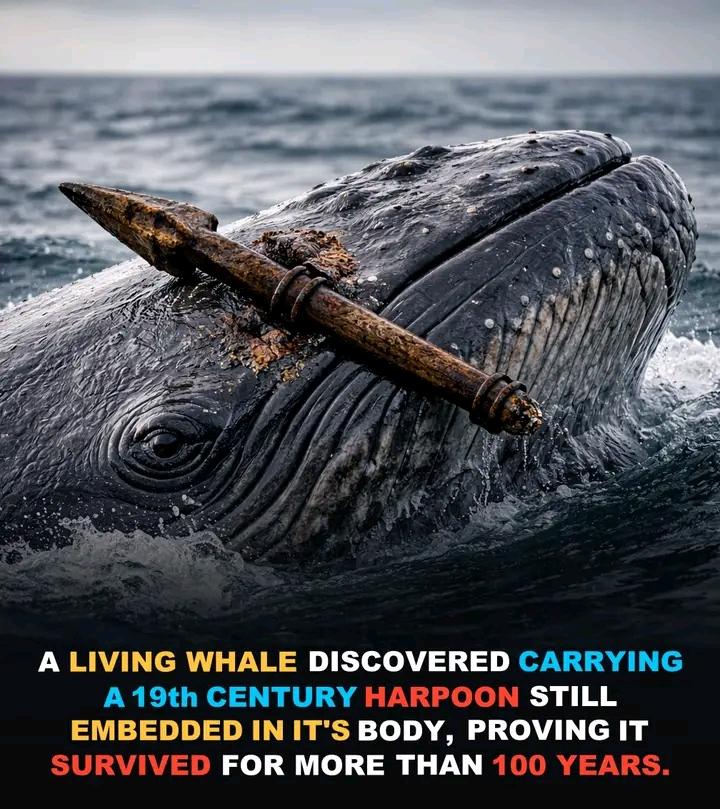
  • A rare and astonishing discovery revealed a whale swimming freely despite an old whaling harpoon embedded deep within its body. The weapon, later identified as dating back to the 1800s, showed that the animal had survived an encounter with commercial whalers more than a century earlier. This provided direct evidence that some whales can live well beyond 100 years, placing them among the longest-living mammals on Earth.

    Historical analysis traced the harpoon to the peak era of industrial whaling in the late 19th century. Rather than dying from the injury, the whale healed around the metal and continued its life in the ocean for decades. The finding challenged long-standing assumptions about how marine mammals respond to trauma, revealing an extraordinary ability to survive severe wounds in harsh natural environments.

    Beyond its biological significance, the discovery carries deeper meaning. Whales play a vital role in maintaining healthy ocean ecosystems by regulating food webs and cycling nutrients. This individual survivor stands as living proof of how resilient these animals can be—even in the face of intense human exploitation.

    In many ways, the whale has become a symbol. It represents nature’s capacity to endure, adapt, and persist, while also serving as a reminder of the lasting impact human actions can have on wildlife. Preserving ocean life is not only about protecting species for the future, but also about respecting the remarkable histories already written into the bodies of animals still swimming today.

    A rare and astonishing discovery revealed a whale swimming freely despite an old whaling harpoon embedded deep within its body. The weapon, later identified as dating back to the 1800s, showed that the animal had survived an encounter with commercial whalers more than a century earlier. This provided direct evidence that some whales can live well beyond 100 years, placing them among the longest-living mammals on Earth. Historical analysis traced the harpoon to the peak era of industrial whaling in the late 19th century. Rather than dying from the injury, the whale healed around the metal and continued its life in the ocean for decades. The finding challenged long-standing assumptions about how marine mammals respond to trauma, revealing an extraordinary ability to survive severe wounds in harsh natural environments. Beyond its biological significance, the discovery carries deeper meaning. Whales play a vital role in maintaining healthy ocean ecosystems by regulating food webs and cycling nutrients. This individual survivor stands as living proof of how resilient these animals can be—even in the face of intense human exploitation. In many ways, the whale has become a symbol. It represents nature’s capacity to endure, adapt, and persist, while also serving as a reminder of the lasting impact human actions can have on wildlife. Preserving ocean life is not only about protecting species for the future, but also about respecting the remarkable histories already written into the bodies of animals still swimming today.
    Like
    Love
    2
    ·93 Vue ·0 Aperçu
  • In Canada, architects are tackling bird collisions with glass by creating “anti-bird” buildings adorned with wind-activated holographic feathers. These shimmering elements move and shift with the breeze, forming a dynamic visual barrier that alerts birds to transparent surfaces.

    Because birds often mistake clear or reflective glass for open sky or foliage, thousands die in collisions each year, especially during migration. Traditional decals and window films help somewhat, but Canada’s holographic feather system offers a more natural, responsive approach.

    Installed on the exterior of glass façades, the lightweight, iridescent feathers mimic the way real feathers catch light in flight. Their motion and flashes of color warn birds away even under changing lighting conditions, making them far more effective than static patterns.

    Beyond protecting wildlife, these features add a striking, artistic element to urban architecture. Offices, campuses, and public buildings are embracing this bird-friendly design, showing how biomimicry and aesthetics can solve practical problems.

    Canada’s innovation blends conservation with creativity, making cities safer for birds while keeping buildings both beautiful and inventive—a vivid reminder that nature and design can soar together.
    In Canada, architects are tackling bird collisions with glass by creating “anti-bird” buildings adorned with wind-activated holographic feathers. These shimmering elements move and shift with the breeze, forming a dynamic visual barrier that alerts birds to transparent surfaces. Because birds often mistake clear or reflective glass for open sky or foliage, thousands die in collisions each year, especially during migration. Traditional decals and window films help somewhat, but Canada’s holographic feather system offers a more natural, responsive approach. Installed on the exterior of glass façades, the lightweight, iridescent feathers mimic the way real feathers catch light in flight. Their motion and flashes of color warn birds away even under changing lighting conditions, making them far more effective than static patterns. Beyond protecting wildlife, these features add a striking, artistic element to urban architecture. Offices, campuses, and public buildings are embracing this bird-friendly design, showing how biomimicry and aesthetics can solve practical problems. Canada’s innovation blends conservation with creativity, making cities safer for birds while keeping buildings both beautiful and inventive—a vivid reminder that nature and design can soar together.
    ·203 Vue ·0 Aperçu
EarnNaija https://earnnaija.com