Обновить до Про

  • Get ready for an extraordinary celestial event that will take place on March 3, 2026: the rare Blood Moon. This awe-inspiring event occurs when the Moon passes through the Earth’s shadow, causing it to take on a deep reddish hue, making it one of the most striking sights in the night sky. Blood Moons are a type of total lunar eclipse, but their unique red glow sets them apart from other lunar events, and they happen only occasionally, making them a special occasion for skywatchers.

    The reason behind the reddish color of the Moon is due to Earth's atmosphere. As sunlight passes through our atmosphere, the blue light gets scattered, while the red light is able to pass through and reach the Moon, giving it that distinctive glowing red appearance. This phenomenon creates a breathtaking spectacle, turning the Moon into a fiery orb against the backdrop of the night sky. It’s a sight that has captivated humanity for centuries, evoking feelings of wonder and mystery.

    Unlike solar eclipses, Blood Moons are completely safe to view with the naked eye, making them perfect for family gatherings or stargazing parties. Astronomers and casual skywatchers alike are already preparing for the event, as it’s one of those rare occurrences that remind us of the vast beauty and rhythm of the universe. As the Earth’s shadow slowly overtakes the Moon, the transformation is mesmerizing, and the whole process will be visible without the need for special equipment.

    In addition to its breathtaking visual appeal, the Blood Moon has inspired countless myths, legends, and scientific curiosity. It has symbolized transformation, mystery, and sometimes even foreboding. Cultures around the world have looked to the Blood Moon for meaning, linking it to significant changes or events. As modern science continues to explore the cosmos, the Blood Moon remains a powerful reminder of our connection to the universe.

    The Blood Moon on March 3, 2026, is a must-see event for anyone fascinated by the wonders of space. Whether you're an experienced stargazer or someone who simply enjoys rare cosmic events, this celestial show will be a memory worth sharing. So gather your loved ones, prepare your cameras, and get ready to witness one of nature’s most magnificent displays an unforgettable sight that will leave you in awe of the universe’s beauty.
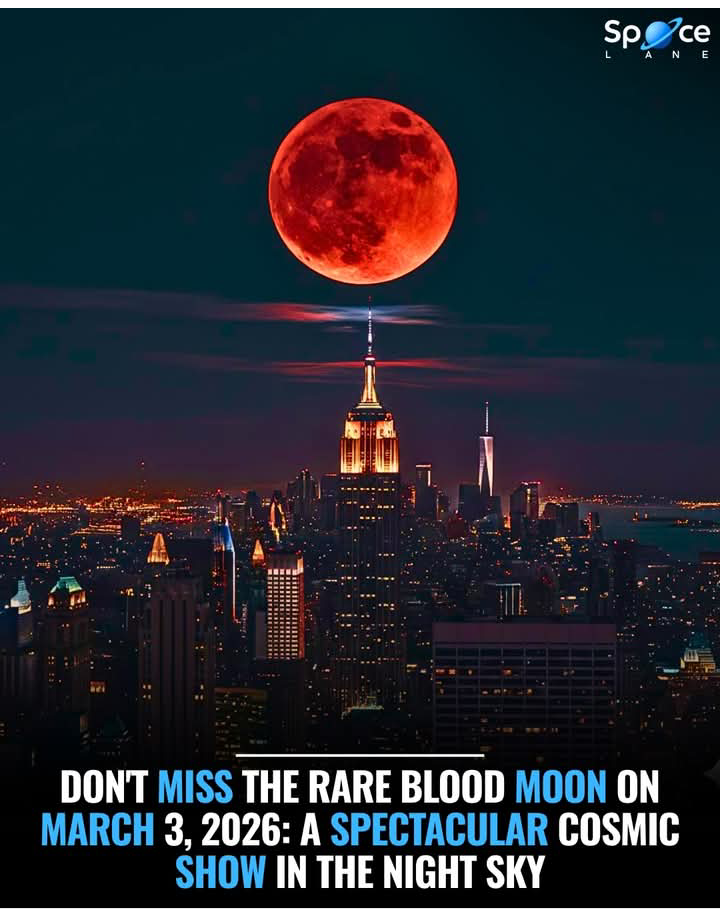
    Get ready for an extraordinary celestial event that will take place on March 3, 2026: the rare Blood Moon. This awe-inspiring event occurs when the Moon passes through the Earth’s shadow, causing it to take on a deep reddish hue, making it one of the most striking sights in the night sky. Blood Moons are a type of total lunar eclipse, but their unique red glow sets them apart from other lunar events, and they happen only occasionally, making them a special occasion for skywatchers. The reason behind the reddish color of the Moon is due to Earth's atmosphere. As sunlight passes through our atmosphere, the blue light gets scattered, while the red light is able to pass through and reach the Moon, giving it that distinctive glowing red appearance. This phenomenon creates a breathtaking spectacle, turning the Moon into a fiery orb against the backdrop of the night sky. It’s a sight that has captivated humanity for centuries, evoking feelings of wonder and mystery. Unlike solar eclipses, Blood Moons are completely safe to view with the naked eye, making them perfect for family gatherings or stargazing parties. Astronomers and casual skywatchers alike are already preparing for the event, as it’s one of those rare occurrences that remind us of the vast beauty and rhythm of the universe. As the Earth’s shadow slowly overtakes the Moon, the transformation is mesmerizing, and the whole process will be visible without the need for special equipment. In addition to its breathtaking visual appeal, the Blood Moon has inspired countless myths, legends, and scientific curiosity. It has symbolized transformation, mystery, and sometimes even foreboding. Cultures around the world have looked to the Blood Moon for meaning, linking it to significant changes or events. As modern science continues to explore the cosmos, the Blood Moon remains a powerful reminder of our connection to the universe. The Blood Moon on March 3, 2026, is a must-see event for anyone fascinated by the wonders of space. Whether you're an experienced stargazer or someone who simply enjoys rare cosmic events, this celestial show will be a memory worth sharing. So gather your loved ones, prepare your cameras, and get ready to witness one of nature’s most magnificent displays an unforgettable sight that will leave you in awe of the universe’s beauty.

    Like
    Sad
    3
    ·246 Просмотры ·0 предпросмотр

  • 1. Eggs are good for the brain.

    2. Water is good for the kidneys.

    3. Cabbage is good for the liver.

    4. Cucumber is good for the skin.

    5. Oranges are good for the colon.

    6. Carrots are good for the eyes.

    7. Ginger is good for the lungs.

    8. Avocado is good for the heart.

    9. Fresh tomatoes is good for the prostate.

    10. Red bell pepper is good for the lungs.

    11. Green beans is good for the bones.

    12. Exercise is good for your overall health.

    13. Watermelon is good for erection.

    Credit : Quora DotCom.
    1. Eggs are good for the brain. 2. Water is good for the kidneys. 3. Cabbage is good for the liver. 4. Cucumber is good for the skin. 5. Oranges are good for the colon. 6. Carrots are good for the eyes. 7. Ginger is good for the lungs. 8. Avocado is good for the heart. 9. Fresh tomatoes is good for the prostate. 10. Red bell pepper is good for the lungs. 11. Green beans is good for the bones. 12. Exercise is good for your overall health. 13. Watermelon is good for erection. Credit : Quora DotCom.
    Like
    2
    ·111 Просмотры ·0 предпросмотр
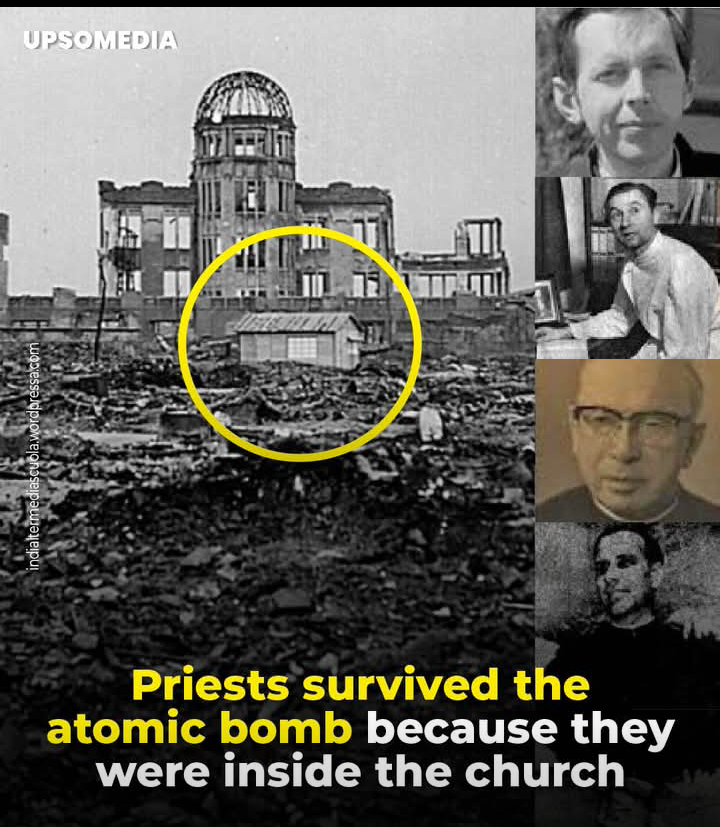
  • In Hiroshima, less than 1 kilometer from the epicenter of the atomic bomb, there was a house where four Jesuit priests lived. They never imagined that on August 6, 1945, when the city was wiped out in seconds, they would survive. Their names were Hugo Lassalle, Hubert Schiffer, Wilhelm Kleinsorge, and Johannes Siemes. While everything around them was reduced to ashes, their home—partially damaged—remained standing. None of them died from the explosion or developed the typical effects of radiation that affected thousands of people in the following years. The case was investigated for decades by doctors and scientists because it defied all statistical probability. The priests themselves said they had been fasting and praying that morning. For some, it was pure structural coincidence; for others, an impossible-to-ignore coincidence.
    In Hiroshima, less than 1 kilometer from the epicenter of the atomic bomb, there was a house where four Jesuit priests lived. They never imagined that on August 6, 1945, when the city was wiped out in seconds, they would survive. Their names were Hugo Lassalle, Hubert Schiffer, Wilhelm Kleinsorge, and Johannes Siemes. While everything around them was reduced to ashes, their home—partially damaged—remained standing. None of them died from the explosion or developed the typical effects of radiation that affected thousands of people in the following years. The case was investigated for decades by doctors and scientists because it defied all statistical probability. The priests themselves said they had been fasting and praying that morning. For some, it was pure structural coincidence; for others, an impossible-to-ignore coincidence.
    Like
    1
    1 Комментарии ·106 Просмотры ·0 предпросмотр
  • THE WICKED FATHER-IN-LAW

    They called him Sir Rowan because names like tyrant and butcher of spirits were harder to say aloud.

    His house was always quiet, not from peace but from training. Floors remembered footsteps. Walls listened. Even the fire seemed to burn carefully when he was near.

    To the village, he was order. To his family, he was consequence.

    Mara learned quickly that Sir Rowan never raised his voice. He didn’t need to. Punishment arrived as omission—meals forgotten, doors left locked, glances that turned a room cold. He corrected without touching, wounded without leaving marks. When she cried once, alone, he later said gently, “Strong women don’t leak like that.” She never cried in that house again.

    His son had been shaped long before Mara arrived. Bent, not broken—because broken things are noticeable. He flinched at praise. He asked permission to breathe. Love, to him, was a narrow bridge that collapsed if you stood too firmly on it.

    Sir Rowan liked to remind them of what he had given: the roof, the name, the protection. “Without me,” he would say softly, “you are nothing the world would keep.”

    Winter came early that year. Food grew scarce. The village suffered, but the house remained full. Sir Rowan watched his family eat smaller portions and called it discipline. When Mara spoke of leaving, he smiled.

    “You won’t,” he said. “I’ve taught you what happens to people who go.”

    That night, she understood the truth: he did not fear being hated. He feared being abandoned.

    They left anyway.

    Not loudly. Not bravely. They vanished the way prisoners do—without ceremony, without goodbyes. The house swallowed their absence at first. Then it began to rot. Silence turned against him. No one waited for his approval. No one needed his rules.

    Sir Rowan lived many years after that.

    But power, when it has no one left to crush, collapses inward.

    And in the end, the wicked father-in-law ruled only himself—
    and found that he was not enough to survive.
    THE WICKED FATHER-IN-LAW They called him Sir Rowan because names like tyrant and butcher of spirits were harder to say aloud. His house was always quiet, not from peace but from training. Floors remembered footsteps. Walls listened. Even the fire seemed to burn carefully when he was near. To the village, he was order. To his family, he was consequence. Mara learned quickly that Sir Rowan never raised his voice. He didn’t need to. Punishment arrived as omission—meals forgotten, doors left locked, glances that turned a room cold. He corrected without touching, wounded without leaving marks. When she cried once, alone, he later said gently, “Strong women don’t leak like that.” She never cried in that house again. His son had been shaped long before Mara arrived. Bent, not broken—because broken things are noticeable. He flinched at praise. He asked permission to breathe. Love, to him, was a narrow bridge that collapsed if you stood too firmly on it. Sir Rowan liked to remind them of what he had given: the roof, the name, the protection. “Without me,” he would say softly, “you are nothing the world would keep.” Winter came early that year. Food grew scarce. The village suffered, but the house remained full. Sir Rowan watched his family eat smaller portions and called it discipline. When Mara spoke of leaving, he smiled. “You won’t,” he said. “I’ve taught you what happens to people who go.” That night, she understood the truth: he did not fear being hated. He feared being abandoned. They left anyway. Not loudly. Not bravely. They vanished the way prisoners do—without ceremony, without goodbyes. The house swallowed their absence at first. Then it began to rot. Silence turned against him. No one waited for his approval. No one needed his rules. Sir Rowan lived many years after that. But power, when it has no one left to crush, collapses inward. And in the end, the wicked father-in-law ruled only himself— and found that he was not enough to survive.
    ·68 Просмотры ·0 предпросмотр
  • The Wicked Father-in-Law

    They called him Sir Rowan because names like tyrant and butcher of spirits were harder to say aloud.

    His house was always quiet, not from peace but from training. Floors remembered footsteps. Walls listened. Even the fire seemed to burn carefully when he was near.

    To the village, he was order. To his family, he was consequence.

    Mara learned quickly that Sir Rowan never raised his voice. He didn’t need to. Punishment arrived as omission—meals forgotten, doors left locked, glances that turned a room cold. He corrected without touching, wounded without leaving marks. When she cried once, alone, he later said gently, “Strong women don’t leak like that.” She never cried in that house again.

    His son had been shaped long before Mara arrived. Bent, not broken—because broken things are noticeable. He flinched at praise. He asked permission to breathe. Love, to him, was a narrow bridge that collapsed if you stood too firmly on it.

    Sir Rowan liked to remind them of what he had given: the roof, the name, the protection. “Without me,” he would say softly, “you are nothing the world would keep.”

    Winter came early that year. Food grew scarce. The village suffered, but the house remained full. Sir Rowan watched his family eat smaller portions and called it discipline. When Mara spoke of leaving, he smiled.

    “You won’t,” he said. “I’ve taught you what happens to people who go.”

    That night, she understood the truth: he did not fear being hated. He feared being abandoned.

    They left anyway.

    Not loudly. Not bravely. They vanished the way prisoners do—without ceremony, without goodbyes. The house swallowed their absence at first. Then it began to rot. Silence turned against him. No one waited for his approval. No one needed his rules.

    Sir Rowan lived many years after that.

    But power, when it has no one left to crush, collapses inward.

    And in the end, the wicked father-in-law ruled only himself—
    and found that he was not enough to survive.
    The Wicked Father-in-Law They called him Sir Rowan because names like tyrant and butcher of spirits were harder to say aloud. His house was always quiet, not from peace but from training. Floors remembered footsteps. Walls listened. Even the fire seemed to burn carefully when he was near. To the village, he was order. To his family, he was consequence. Mara learned quickly that Sir Rowan never raised his voice. He didn’t need to. Punishment arrived as omission—meals forgotten, doors left locked, glances that turned a room cold. He corrected without touching, wounded without leaving marks. When she cried once, alone, he later said gently, “Strong women don’t leak like that.” She never cried in that house again. His son had been shaped long before Mara arrived. Bent, not broken—because broken things are noticeable. He flinched at praise. He asked permission to breathe. Love, to him, was a narrow bridge that collapsed if you stood too firmly on it. Sir Rowan liked to remind them of what he had given: the roof, the name, the protection. “Without me,” he would say softly, “you are nothing the world would keep.” Winter came early that year. Food grew scarce. The village suffered, but the house remained full. Sir Rowan watched his family eat smaller portions and called it discipline. When Mara spoke of leaving, he smiled. “You won’t,” he said. “I’ve taught you what happens to people who go.” That night, she understood the truth: he did not fear being hated. He feared being abandoned. They left anyway. Not loudly. Not bravely. They vanished the way prisoners do—without ceremony, without goodbyes. The house swallowed their absence at first. Then it began to rot. Silence turned against him. No one waited for his approval. No one needed his rules. Sir Rowan lived many years after that. But power, when it has no one left to crush, collapses inward. And in the end, the wicked father-in-law ruled only himself— and found that he was not enough to survive.
    ·73 Просмотры ·0 предпросмотр
  • Unwanted Child

    They never said it out loud, but the house knew.

    It knew in the way silence settled heavier around one small bedroom. In the way birthdays passed like ordinary days, and report cards were left face-down on the table. The child learned early how to fold themself smaller, how to move quietly, how not to need too much.

    At school, teachers praised neat handwriting and polite manners. “Such an easy child,” they said, smiling. The child smiled back, because being easy felt safer than being honest.

    At home, the mirrors were kinder than people. In them, the child practiced expressions—brave, calm, unbothered—trying to choose one that might finally fit. But when the lights were off, questions crept in. If I disappeared, would the house notice? Would the silence change at all?

    One afternoon, the child stayed late at the library. Not to study, but to exist somewhere warm. A librarian noticed them day after day, always alone, always reading stories about faraway places.

    “You like books,” she said gently.

    The child nodded.

    “They’re good for finding words when we don’t have any,” the librarian said, sliding over a new one. Inside the cover, someone had written: You matter.

    The child didn’t believe it at first. Words were easy to write. Harder to live. But they carried the book anyway, like a small, secret light.

    Years passed. The house stayed the same, but the child did not. They learned that being unwanted by someone does not mean being unworthy. They found friends who listened, teachers who stayed late, strangers who became anchors without even trying.

    One day, standing in a different mirror, the child—older now—met their own eyes and felt something unfamiliar.

    Not love. Not yet.

    But permission.

    Permission to take up space. To speak loudly. To want things. To stay.

    The house never learned how to say it.

    But the child did.

    And that was enough to begin.


    ---

    If you want, I can make this shorter, darker, more hopeful, or rewrite it from a different perspective (first-person, fantasy, etc.).
    Unwanted Child They never said it out loud, but the house knew. It knew in the way silence settled heavier around one small bedroom. In the way birthdays passed like ordinary days, and report cards were left face-down on the table. The child learned early how to fold themself smaller, how to move quietly, how not to need too much. At school, teachers praised neat handwriting and polite manners. “Such an easy child,” they said, smiling. The child smiled back, because being easy felt safer than being honest. At home, the mirrors were kinder than people. In them, the child practiced expressions—brave, calm, unbothered—trying to choose one that might finally fit. But when the lights were off, questions crept in. If I disappeared, would the house notice? Would the silence change at all? One afternoon, the child stayed late at the library. Not to study, but to exist somewhere warm. A librarian noticed them day after day, always alone, always reading stories about faraway places. “You like books,” she said gently. The child nodded. “They’re good for finding words when we don’t have any,” the librarian said, sliding over a new one. Inside the cover, someone had written: You matter. The child didn’t believe it at first. Words were easy to write. Harder to live. But they carried the book anyway, like a small, secret light. Years passed. The house stayed the same, but the child did not. They learned that being unwanted by someone does not mean being unworthy. They found friends who listened, teachers who stayed late, strangers who became anchors without even trying. One day, standing in a different mirror, the child—older now—met their own eyes and felt something unfamiliar. Not love. Not yet. But permission. Permission to take up space. To speak loudly. To want things. To stay. The house never learned how to say it. But the child did. And that was enough to begin. --- If you want, I can make this shorter, darker, more hopeful, or rewrite it from a different perspective (first-person, fantasy, etc.).
    ·96 Просмотры ·0 предпросмотр
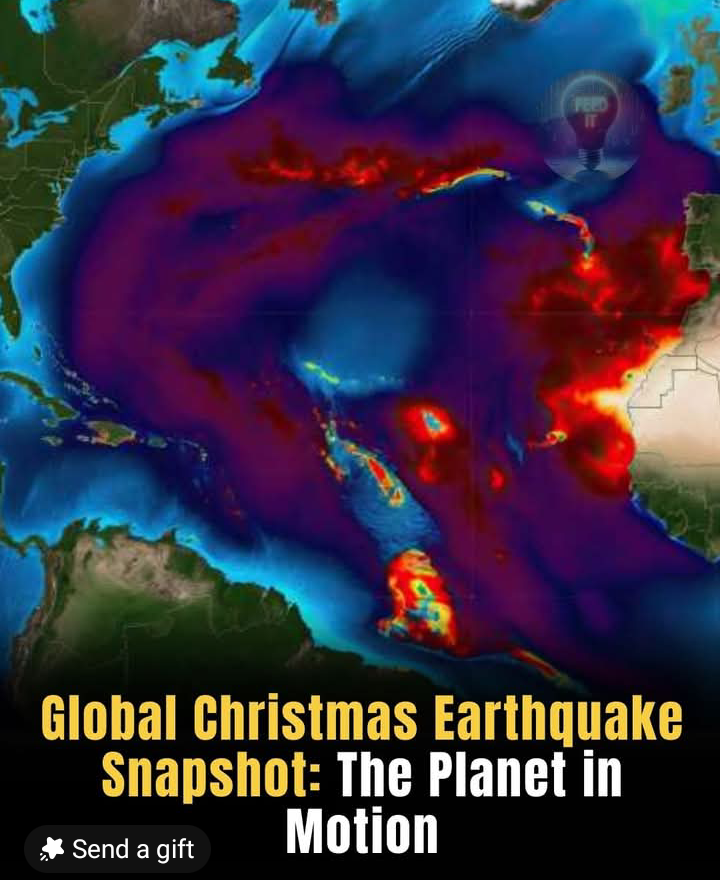
  • Earth is showing heightened seismic activity this Christmas, with earthquakes occurring across multiple regions in a short span of time. The strongest clustering is happening along the Pacific Ring of Fire, where tectonic plates constantly collide and shift. Areas such as Alaska, Japan, Indonesia, and parts of North and South America are experiencing frequent tremors, while additional movement is being recorded across the Mediterranean and Mid-Atlantic fracture zones. Scientists emphasize that this pattern is consistent with Earth’s natural tectonic behavior rather than a single global event.

    Experts explain that earthquakes happen daily around the world, many too small to be felt by people. What makes this moment notable is the visible clustering across several major fault systems at once, highlighting how active the planet always is beneath our feet. Seismologists continue to monitor these movements in real time to assess risks and provide early warnings where possible, reminding communities in quake-prone regions to stay prepared and informed.
    #Earthquakes #RingOfFire #SeismicActivity #PlanetEarth #sciencenewshighlights
    Sources:
    • United States Geological Survey (USGS)
    • European-Mediterranean Seismological Centre (EMSC)
    • Japan Meteorological Agency (JMA)
    • NOAA Earth Systems Research
    Earth is showing heightened seismic activity this Christmas, with earthquakes occurring across multiple regions in a short span of time. The strongest clustering is happening along the Pacific Ring of Fire, where tectonic plates constantly collide and shift. Areas such as Alaska, Japan, Indonesia, and parts of North and South America are experiencing frequent tremors, while additional movement is being recorded across the Mediterranean and Mid-Atlantic fracture zones. Scientists emphasize that this pattern is consistent with Earth’s natural tectonic behavior rather than a single global event. Experts explain that earthquakes happen daily around the world, many too small to be felt by people. What makes this moment notable is the visible clustering across several major fault systems at once, highlighting how active the planet always is beneath our feet. Seismologists continue to monitor these movements in real time to assess risks and provide early warnings where possible, reminding communities in quake-prone regions to stay prepared and informed. #Earthquakes #RingOfFire #SeismicActivity #PlanetEarth #sciencenewshighlights Sources: • United States Geological Survey (USGS) • European-Mediterranean Seismological Centre (EMSC) • Japan Meteorological Agency (JMA) • NOAA Earth Systems Research
    Like
    1
    ·160 Просмотры ·0 предпросмотр
  • A Retired Airforce Engr Explains the Spent Fuel Tank that dropped in Offa.

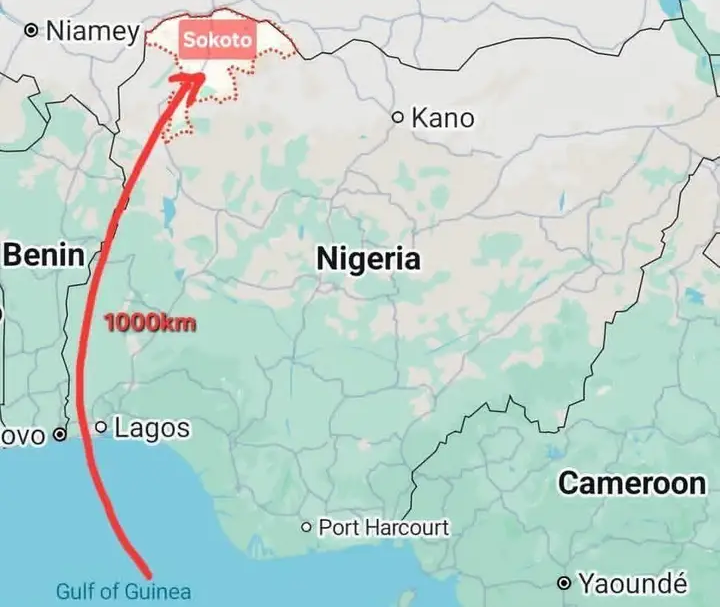
    To strike these targets with precision without alerting the insurgents, long-range munitions (likely cruise missiles or long-endurance tactical drones) were launched from naval platforms stationed in the Gulf of Guinea, near the coast of Ghana. The flight path was a straight line from the ocean to the Sahel.That line runs directly over Kwara State.

    What the people of Offa witnessed is known as ‘staging'. Long-range missiles shed weight as they fly. They drop their fuel tanks or booster rockets once the fuel is spent, allowing the warhead to continue to the target. Offa just happened to be the geographic drop-zone for that stage of the flight.

    - A retired Air Force Engineer spoke to Midland Post.
    A Retired Airforce Engr Explains the Spent Fuel Tank that dropped in Offa. To strike these targets with precision without alerting the insurgents, long-range munitions (likely cruise missiles or long-endurance tactical drones) were launched from naval platforms stationed in the Gulf of Guinea, near the coast of Ghana. The flight path was a straight line from the ocean to the Sahel.That line runs directly over Kwara State. What the people of Offa witnessed is known as ‘staging'. Long-range missiles shed weight as they fly. They drop their fuel tanks or booster rockets once the fuel is spent, allowing the warhead to continue to the target. Offa just happened to be the geographic drop-zone for that stage of the flight. - A retired Air Force Engineer spoke to Midland Post.
    Like
    1
    ·106 Просмотры ·0 предпросмотр
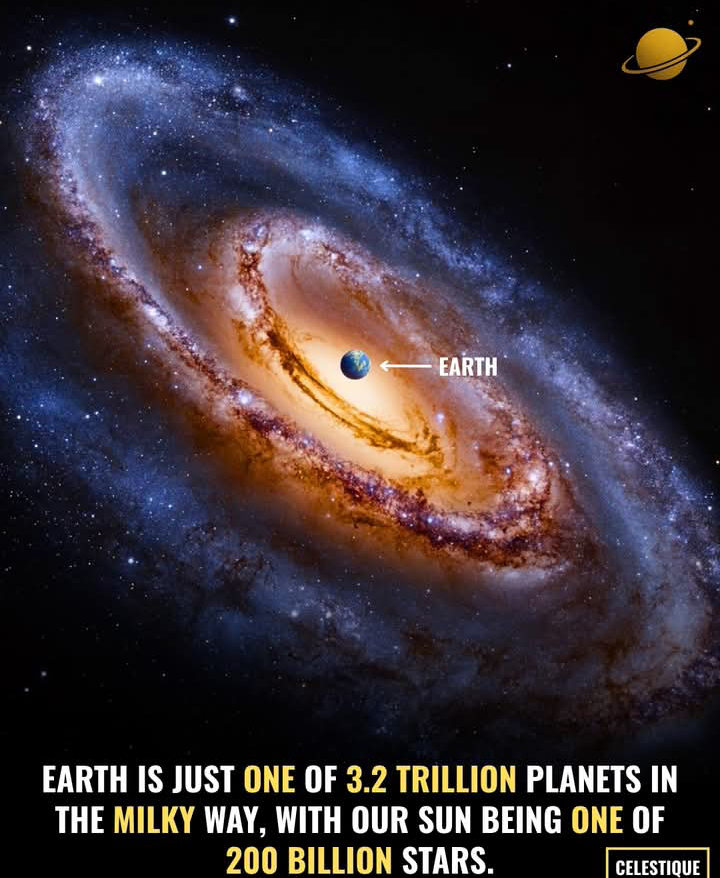
  • When you think about Earth, it’s easy to assume we are at the center of the universe. However, the truth is much more humbling. Our planet is just one of an estimated 3.2 trillion planets orbiting stars in our Milky Way galaxy. To put this into perspective, our galaxy alone contains over 200 billion stars, with our Sun being just one among them. The Milky Way is just one of the 2 trillion galaxies in the observable universe, each with its own countless stars and planets, making the scale of the cosmos mind-boggling.

    Earth, as significant as it may feel to us, is a small part of a much grander cosmic system. The Milky Way, our home galaxy, spans over 100,000 light-years across and contains billions of planets, most of which remain undiscovered. It’s a reminder that the universe is far more expansive than we can ever truly comprehend. The numbers are so large, they become almost abstract, reminding us how tiny we really are in the grand scheme of things.

    Our Sun, which provides the energy necessary for life on Earth, is just one of the 200 billion stars in the Milky Way. Many of these stars have planets of their own, potentially supporting life. Yet, despite the staggering number of planets and stars, only a tiny fraction have been explored, and only a handful are known to host conditions suitable for life. This opens up an exciting avenue for future space exploration, where the discovery of exoplanets is just beginning.

    On a universal scale, our galaxy is one of over 2 trillion galaxies within the observable universe. Each galaxy, like the Milky Way, contains billions of stars and potentially trillions of planets, creating a vast and diverse cosmos. This enormity suggests that the possibilities for life beyond Earth are far more extensive than we have ever imagined. It also underscores how much more there is to learn about the universe and our place within it.

    When we look up at the stars, it's easy to get lost in the beauty and mystery of the night sky. But the reality is even more profound. Earth, our home, is just a small, delicate dot in a vast universe, where billions of other worlds are waiting to be discovered. The more we understand about the cosmos, the more we realize how interconnected everything is and how much more there is to explore. Our journey in space exploration is just beginning.
    When you think about Earth, it’s easy to assume we are at the center of the universe. However, the truth is much more humbling. Our planet is just one of an estimated 3.2 trillion planets orbiting stars in our Milky Way galaxy. To put this into perspective, our galaxy alone contains over 200 billion stars, with our Sun being just one among them. The Milky Way is just one of the 2 trillion galaxies in the observable universe, each with its own countless stars and planets, making the scale of the cosmos mind-boggling. Earth, as significant as it may feel to us, is a small part of a much grander cosmic system. The Milky Way, our home galaxy, spans over 100,000 light-years across and contains billions of planets, most of which remain undiscovered. It’s a reminder that the universe is far more expansive than we can ever truly comprehend. The numbers are so large, they become almost abstract, reminding us how tiny we really are in the grand scheme of things. Our Sun, which provides the energy necessary for life on Earth, is just one of the 200 billion stars in the Milky Way. Many of these stars have planets of their own, potentially supporting life. Yet, despite the staggering number of planets and stars, only a tiny fraction have been explored, and only a handful are known to host conditions suitable for life. This opens up an exciting avenue for future space exploration, where the discovery of exoplanets is just beginning. On a universal scale, our galaxy is one of over 2 trillion galaxies within the observable universe. Each galaxy, like the Milky Way, contains billions of stars and potentially trillions of planets, creating a vast and diverse cosmos. This enormity suggests that the possibilities for life beyond Earth are far more extensive than we have ever imagined. It also underscores how much more there is to learn about the universe and our place within it. When we look up at the stars, it's easy to get lost in the beauty and mystery of the night sky. But the reality is even more profound. Earth, our home, is just a small, delicate dot in a vast universe, where billions of other worlds are waiting to be discovered. The more we understand about the cosmos, the more we realize how interconnected everything is and how much more there is to explore. Our journey in space exploration is just beginning.
    Like
    1
    ·148 Просмотры ·0 предпросмотр
  • Like
    1
    ·58 Просмотры ·0 предпросмотр
  • FROM NEXT MONTH KINDLY TAKE NOTE OF THE FOLLOWING AND ADHERE STRICTLY TO IT

    Tax is not about money entering your account. Tax is about what that money actually is.

    If you describe money wrongly, it may look like income, and you pay more tax.

    If you describe it correctly, you only pay tax when required... and nothing extra.

    Let me show you how you can use descriptions to minimise taxes legally

    SIMPLE DESCRIPTIONS YOU CAN USE (LEGALLY)

    1. Money that is NOT income (NO TAX)

    Use these when the money is not payment for work or business.

    Situation/Description to use:

    1. When a Family member sends you money, they should write "Gift / Family support"

    2. When a Friend pays you back your money, he or she should write: “Refund / Reimbursement"

    3. When you move your own money to another account, write: “Personal transfer / savings."

    4. When someone lends you money, he or she should write: "Loan received"

    5. If you put your own money into business, write: "Capital contribution"

    These do not attract tax when they are true.

    Let's be guided guys

    By Makasi Chinedu (Mpa Chidalu)
    B.sc Economics (Uniport)
    FROM NEXT MONTH KINDLY TAKE NOTE OF THE FOLLOWING AND ADHERE STRICTLY TO IT Tax is not about money entering your account. Tax is about what that money actually is. If you describe money wrongly, it may look like income, and you pay more tax. If you describe it correctly, you only pay tax when required... and nothing extra. Let me show you how you can use descriptions to minimise taxes legally SIMPLE DESCRIPTIONS YOU CAN USE (LEGALLY) 1. Money that is NOT income (NO TAX) Use these when the money is not payment for work or business. Situation/Description to use: 1. When a Family member sends you money, they should write "Gift / Family support" 2. When a Friend pays you back your money, he or she should write: “Refund / Reimbursement" 3. When you move your own money to another account, write: “Personal transfer / savings." 4. When someone lends you money, he or she should write: "Loan received" 5. If you put your own money into business, write: "Capital contribution" These do not attract tax when they are true. Let's be guided guys By Makasi Chinedu (Mpa Chidalu) B.sc Economics (Uniport)
    Like
    1
    ·56 Просмотры ·0 предпросмотр
  • The data bundle prices you get when you signup to gkonlineenterprises.com.ng
    The data bundle prices you get when you signup to gkonlineenterprises.com.ng
    ·55 Просмотры ·0 предпросмотр
Больше
EarnNaija https://earnnaija.com